


Views: 0 Author: Site Editor Publish Time: 2026-01-22 Origin: Site


What is ceiling filter media, and why does it shape clean air systems? In this article, you will learn how it supports airflow, protects processes, and improves efficiency.With solutions inspired by Fresh products, you can explore cleaner performance and learn more about our products.
Ceiling filter media is a multi-layered synthetic material installed in ceiling plenums. It filters incoming air before it enters a workspace. Its main purpose is to trap dust, pollen, overspray, and fine particles that could settle on surfaces or enter the breathing zone. You can think of it as a protective barrier that maintains air cleanliness at the point of entry.
This media works as part of a broader filtration system. It supports steady, downward airflow and helps form a laminar pattern. This pattern reduces turbulence and limits how particles move across a room. When airflow remains smooth, sensitive processes face fewer risks from airborne contamination.
Many users confuse ceiling filter media with standard HVAC filters. While both remove particles, ceiling filter media often acts as a higher-performance layer in controlled environments. It also differs from terminal HEPA or ULPA filters, which target ultra-fine particles at the final stage of filtration.
The fibers inside ceiling filter media create a complex air path. As air passes through, particles collide with fibers and become trapped. Larger debris stays near the surface. Finer particles move deeper into the media layers. This process increases capture efficiency and extends service life.
Ceiling-mounted placement allows air to spread evenly across the workspace. Instead of random circulation, the filter media helps form a consistent downward flow. This design pushes contaminants away from work areas and toward exhaust points.
Ceiling filter media often works alongside pre-filters and exhaust filters. Pre-filters remove larger particles. The ceiling layer refines the air before it enters sensitive zones. This staged approach protects downstream components and reduces maintenance needs.
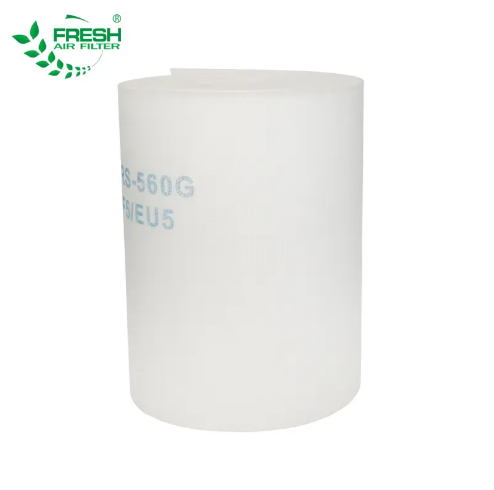
Most ceiling filter media uses layered construction with increasing fiber density. The first layer captures coarse particles and visible dust. Inner layers focus on finer debris that can affect sensitive surfaces and airflow quality. This gradient design improves dust holding capacity while keeping airflow resistance low. It also helps extend service life by distributing particle load across the full depth of the media rather than concentrating it on the surface.
Polyester remains the most common choice because it combines strength, flexibility, and resistance to moisture. Many industrial systems also use blends that include polypropylene or glass fibers to improve chemical tolerance and heat stability. A reinforced scrim often supports the clean air side. This backing adds structural integrity and helps prevent fiber shedding during long operating cycles.
Certain applications use media with a light adhesive coating applied to the intake side. This tacky surface helps hold paint mist, fibers, and fine dust more securely. It reduces the chance of particles breaking free and re-entering the workspace. Tackified options are especially useful in high-overspray or high-dust environments where consistent capture is critical.
In cleanrooms, ceiling filter media helps maintain strict cleanliness levels and stable airflow patterns. Industries such as pharmaceuticals, electronics, and medical device manufacturing rely on it to control particle counts and protect sensitive processes. High-efficiency options often work alongside HEPA-grade materials to form a multi-stage filtration system that balances purity and airflow.
Paint booths use ceiling filter media to trap overspray, dust, and airborne fibers before they settle on wet surfaces. This improves finish quality and reduces the need for rework. It also supports worker safety by limiting exposure to paint particles and fumes, helping maintain a cleaner and more controlled booth environment.
Large commercial buildings and factories use ceiling filter media to improve overall indoor air quality. It helps protect machinery and duct systems from dust buildup and supports compliance with workplace air standards. In high-traffic or high-load areas, durable media options can reduce maintenance frequency and improve long-term system efficiency.
Application Area | Primary Goal | Typical Filtration Focus |
Cleanrooms | Process protection | Fine and ultra-fine particles |
Paint Spray Booths | Surface quality | Overspray and dust |
HVAC Systems | Indoor air quality | General airborne contaminants |
Industrial Workshops | Worker safety | Fibers and coarse dust |
Micron ratings describe the smallest particle a filter can capture. Lower values mean finer filtration and better control of airborne contaminants. For example, a 1-micron rating targets very small particles that can affect sensitive processes and surface quality. You should match the rating to your cleanliness standards, regulatory needs, and the type of environment where the ceiling filter media operates. Choosing a higher efficiency level often improves air quality, but it may also require careful attention to airflow design.
Airflow must remain stable for efficient system performance. When resistance becomes too high, fans and blowers work harder, which raises energy use and increases system wear. Quality ceiling filter media balances strong filtration with a low pressure drop, allowing air to pass through smoothly while still trapping contaminants. This balance helps control operating costs and supports consistent air distribution across the workspace.
Media with high dust holding capacity stores more debris before clogging, which extends its usable life. The layered fiber design allows particles to settle throughout the depth of the material instead of only on the surface. This structure reduces the need for frequent replacements and helps maintain steady airflow. Over time, longer service life can lower maintenance demands and minimize production downtime.
Media Type | Filtration Level | Pressure Drop | Typical Service Life |
Polyester | Medium to High | Low | Long |
Nanofiber | High | Medium | Medium to Long |
Paper | Low to Medium | Low | Short |
Blended Fiber | Medium | Medium | Medium |
A tight seal around the filter frame prevents unfiltered air from bypassing the media. Proper alignment helps distribute airflow evenly across the entire surface. This step reduces uneven dust loading and helps the filter maintain stable performance over time. You should also confirm that the ceiling plenum and support structure can hold the filter securely without gaps or sagging.
Routine inspections help you detect early signs of dust buildup, moisture, or airflow restriction. Cleaning reusable media with low-pressure air can restore airflow and extend service life. You should also check frames, gaskets, and surrounding seals for wear, as small leaks can reduce overall system efficiency. Keeping a simple inspection schedule helps avoid sudden performance drops.
Rising pressure drop often signals reduced performance and higher energy use. Visible dirt, uneven airflow, or changes in room air quality also indicate it is time to replace the media. Tracking replacement cycles allows you to plan maintenance budgets and avoid unplanned downtime. Consistent records can also help you compare filter performance over time.
Many industries follow ISO and ASHRAE standards to define acceptable air quality levels. These guidelines help ensure consistent filtration performance in both cleanroom and commercial HVAC systems. Compliance supports legal requirements and builds trust with customers who expect controlled and reliable air quality.
Fire-rated ceiling filter media reduces risk in high-temperature or industrial settings. Certifications confirm that materials resist flame spread and meet recognized safety codes. Using approved filters also helps facilities align with building regulations and internal safety policies.
Clean air protects workers from inhaling harmful particles and chemical residues. Proper filtration also limits the release of dust and emissions into surrounding areas. This approach supports safer workplaces and helps organizations meet environmental responsibility goals.
Standard or Guideline | Focus Area | Typical Industry Use |
ISO 14644 | Cleanroom air quality | Pharma, electronics |
ASHRAE 62.1 | Ventilation standards | Commercial HVAC |
UL 900 | Fire safety | Industrial systems |
EN 1822 | HEPA testing | High-efficiency use |
You should start by identifying contaminants in your space. Dust, paint mist, and chemical vapors all require different media designs. Fine particles often need higher-efficiency layers, while heavier debris benefits from thicker, depth-style media. Room size also matters because larger spaces demand stable airflow across wider ceiling areas. Airflow rates help determine the right balance between filtration strength and pressure drop, ensuring clean air without overloading your system.
Lower-cost media may reduce upfront spending but raise energy and maintenance costs over time. Filters with higher resistance can increase power use and shorten system life. Higher-grade options often deliver better long-term value through extended service life and lower pressure drop. When you compare choices, consider total ownership cost instead of only the purchase price. This approach helps you plan for energy use, labor time, and replacement cycles.
Some environments need custom sizes or special materials. Manufacturers such as Fresh Air Filter offer filter media series that can be tailored for airflow speed, target efficiency, and material composition. Custom options support unique ceiling layouts and changing production needs. This approach helps facilities align filtration performance with both technical and budget goals while maintaining consistent air quality over time.
Ceiling filter media forms a vital layer in every controlled air system.It protects products, supports worker health, and improves daily efficiency.By understanding structure, performance, and compliance needs, you can make smarter facility decisions.With Fresh filter media products, you gain low resistance, high dust capacity, and flexible customization that adds long-term value.
A: Ceiling filter media captures fine particles and supports laminar airflow for controlled environments.
A: Install ceiling filter media by sealing it into the plenum and confirming airflow stability.
A: High-efficiency ceiling filter media reduces overspray and improves surface quality with strong dust capacity.
A: Ceiling filter media cost varies by material, efficiency rating, and customization, but higher-grade options lower long-term expenses. =


