


Views: 0 Author: Site Editor Publish Time: 2026-01-28 Origin: Site


Installing a filter in a ceiling vent can improve indoor air quality and help protect your HVAC system from dust and debris. Many homeowners and facility managers look for a clear process that avoids airflow problems and unnecessary system strain. This guide explains how to prepare, install, and maintain ceiling filter media so your system stays balanced, efficient, and reliable over time. Some users also choose filter materials inspired by Fresh filter's products, which are known for combining strong particle capture with low initial resistance.
Supply vents push treated air into a room. Return vents pull air back toward the HVAC unit for heating or cooling. This flow path matters because filters placed on return vents help stop dust before it enters the system. Filters placed on supply vents often block airflow and reduce comfort.
Understanding which vent you are working with helps you decide where ceiling filter media adds value. In most homes and facilities, return vents are the safer and more effective choice for vent-level filtration. In larger spaces, multiple return vents can also spread airflow across a wider filter surface, which helps reduce pressure drop and improves system balance.
Airflow direction determines how well particles get captured. When air moves toward the HVAC system, it carries dust and debris with it. Ceiling filter media placed in this path can trap those particles before they reach sensitive parts like fans and coils.
If airflow is reversed or blocked, the filter may collect less debris and create uneven pressure across the vent. This can lead to noise, vibration, or reduced system efficiency. Over time, uneven pressure can also cause the filter frame to shift, allowing bypass air to slip around the edges.
Vent-level filters work well in high-dust areas. Renovation zones, entryways, and workshops often release heavy debris into the air. A temporary ceiling filter can protect the system during these periods and reduce cleanup inside the ductwork.
Homes without a central filter rack may also rely on return vent filters as their main defense. In these cases, correct sizing and regular maintenance become even more important to keep airflow steady and prevent system strain.
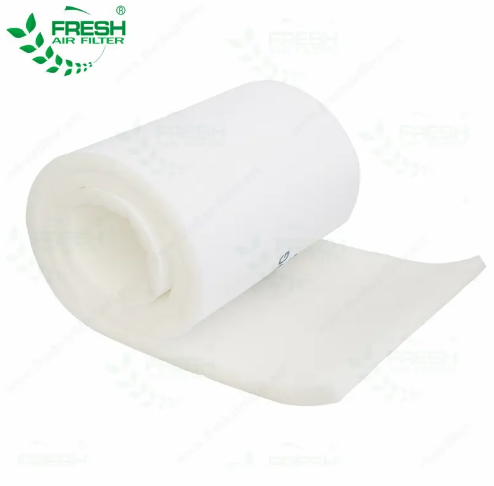
Choosing the right media depends on what you want to stop. Coarse dust and pet hair need thicker fibers. Fine pollen and allergens need denser layers that can capture smaller particles.
Many facilities look for media that balances filtration and airflow. Filter media options similar to those in the Fresh filter's series often focus on high dust holding capacity while keeping pressure drop low, which helps maintain steady airflow and longer service life.
Measure the length and width of the vent opening. Write these numbers down and compare them to the filter size before installation. Filters that are too small leave gaps where air can bypass the media. Filters that are too large may bend or block airflow paths.
A tight and even fit helps ensure all air passes through the filter surface and improves overall filtration efficiency.
You will need a stable ladder, gloves, and a soft cloth. A screwdriver may help if the vent cover uses screws. Keep a small vacuum nearby to clean dust from the grille and surrounding area before installation.
Having a small container for screws or clips can also prevent parts from getting lost during the process.
Turn off the system at the thermostat. This step prevents the fan from pulling dust into the ducts while you work. It also protects you from sudden airflow that can shift the filter or vent cover.
Waiting a few minutes after shutdown allows air movement in the ducts to settle, making installation cleaner and safer.
Climb the ladder and support the vent cover with one hand. Some covers use clips, while others use screws. Open it slowly to avoid dropping the old filter or stirring dust into the air.
Place the cover on a clean surface and check it for loose dust or debris that may fall back into the room later.
Insert the filter so it sits flat against the opening. Make sure the arrows on the filter frame point in the direction of airflow, usually toward the HVAC unit.
Press the edges gently to ensure an even seal. Avoid folding or compressing the media. This reduces the active surface area and increases resistance, which can strain the system.
Replace the cover and secure it. Turn the system back on. Stand under the vent and feel for steady airflow. Listen for rattling or whistling. These sounds often signal poor fit or blocked air paths.
If needed, adjust the filter or grille until airflow feels smooth and consistent.
MERV ratings show how well a filter captures particles of different sizes. Low ratings stop large dust and lint. Higher ratings capture pollen and fine debris. Very high ratings can strain older systems if airflow is restricted.
Most residential systems handle moderate ratings well. Always check system guidelines before upgrading to higher-efficiency ceiling filter media.
Cleaner air often means higher resistance. The goal is balance. Choose ceiling filter media that improves air quality without forcing the fan to run longer than needed.
Some Fresh filter-inspired materials are designed to spread fibers evenly, which helps maintain airflow while increasing capture depth and dust holding capacity.
Thin filters fit most vents but fill quickly. Thicker filters last longer but need more space behind the grille. Make sure the vent frame can hold the media without bending or blocking airflow channels.
A proper match between thickness and vent depth helps maintain steady airflow and reduces the need for frequent replacements.
Filter Level | Particle Size Captured | Airflow Impact | Best Use Case |
Low | Large dust, lint | Minimal | Basic homes |
Medium | Pollen, fine dust | Moderate | Allergy areas |
High | Very fine particles | Higher | Clean zones |
Do not push the filter too deep into the vent. This can block internal airflow paths and reduce the volume of air entering or leaving the room. Keep the media flush with the opening so air can move evenly across the entire surface. A flat, centered position helps prevent pressure points that may lead to noise or vibration during system operation.
Supply vents already deliver filtered air from the central HVAC system. Adding a filter here often causes uneven temperatures and higher energy use. Restricted supply airflow can make some rooms feel stuffy while others feel overcooled or overheated. In most cases, it is more effective to improve the central filter rather than adding media at the supply vent.
Even small gaps let unfiltered air pass around the media. This bypass air carries dust directly into the room or ductwork. Check all edges before closing the vent and make sure the filter fits snugly. A proper seal improves filtration performance and keeps airflow balanced across the vent opening.
Always support the grille when opening it, especially on larger vents. Dust and debris may fall from the frame, so stand slightly to the side and wear gloves to protect your hands.
After installing the filter, wipe the grille with a damp cloth. This step removes loose dust and prevents it from being blown back into the room when the system starts. Make sure the grille sits flat against the ceiling to avoid rattling or air leaks.
Inspect the filter every month. In homes with pets, heavy foot traffic, or ongoing construction, check it more often. Replace the media when the surface looks covered or when airflow feels weaker than normal.
Reusable media should be cleaned gently. Use low-pressure air or a soft brush to remove surface dust. Avoid water unless the manufacturer allows it, as moisture can weaken fibers and reduce filtration efficiency.
Watch for uneven room temperatures and changes in comfort. Listen for new sounds near the vent, such as whistling or buzzing. These signs often point to clogged or misaligned filters.
If problems continue after replacing or adjusting the media, consider checking the central HVAC filter or consulting a technician to review overall system balance.
Task | Frequency | Purpose |
Visual inspection | Monthly | Spot dust buildup |
Filter replacement | 1 to 3 months | Restore airflow |
Grille cleaning | Monthly | Reduce loose debris |
Airflow check | Quarterly | Maintain system balance |
Low-cost filters seem appealing at first because they reduce initial spending. However, they often require frequent replacement, which increases labor time and disposal costs. Over several months, these small expenses can add up and exceed the price of a more durable option.
Durable ceiling filter media costs more at the start, but it usually lasts longer and maintains performance over a wider service interval. This reduces how often staff need to access ceiling vents for changes, which also lowers the risk of installation errors. When you look at the full year of operation, this approach often delivers better overall value and more predictable maintenance planning.
Higher resistance makes fans run longer to move the same amount of air. This extra runtime increases power consumption and can place additional stress on motors and belts. Over time, the added energy use may significantly raise utility bills.
Balanced filters, which combine good particle capture with low initial pressure drop, often save money by keeping airflow steady. Consistent airflow helps systems reach set temperatures faster and reduces unnecessary cycling.
A stronger central HVAC filter treats all air at once before it enters the duct network. This approach reduces the need for multiple vent-level filters and simplifies inspection and replacement routines. Staff can focus on a single service point rather than many ceiling locations.
Facilities that use centralized solutions often pair them with high-quality filter materials, such as those in the Fresh filter's product range, to achieve consistent performance across multiple rooms. This strategy supports stable airflow, easier maintenance, and long-term cost control.
Option | Initial Cost | Maintenance Load | Energy Use |
Vent filters | Low | High | Medium |
Central upgrade | Medium | Medium | Low |
Full system filter | High | Low | Low |
Putting a filter in a ceiling vent can be a simple way to control dust and improve indoor air quality when done correctly. By understanding vent types, selecting the right ceiling filter media, and following proper installation steps, you can protect your HVAC system and maintain steady airflow. Regular maintenance and smart filter choices help reduce energy use and extend system life. With material solutions inspired by Fresh filter's products, many facilities find it easier to balance strong filtration, low resistance, and long-term value in both residential and commercial settings.
A: To put a filter in a ceiling vent, place ceiling filter media flat in the return grille and seal the edges.
A: Ceiling filter media helps trap dust and protect HVAC parts from debris buildup.
A: Ceiling filter media cost depends on size, thickness, and filtration level.
A: After you put a filter in a ceiling vent, clogged media can reduce airflow and raise energy use.


