


Views: 0 Author: Site Editor Publish Time: 2025-12-02 Origin: Site


Bag filters are crucial in filtration systems across industries, especially HVAC. They help remove dust, pollen, and contaminants, improving air quality. But how many bags should a bag filter have?
In this article, we will dive into the factors that determine the number of bags needed for optimal filtration. We’ll explore how bag quantity affects efficiency, pressure drop, and energy use, helping you make the right choice for your system.
Bag filters are critical for air filtration in HVAC systems, improving air quality by capturing dust and other particles.
The number of bags in a bag filter directly impacts filtration efficiency, pressure drop, and energy consumption.
Higher numbers of bags provide increased surface area for filtration, but can lead to higher operational costs.
Choosing the optimal number of bags depends on system specifications, such as airflow rate and filtration needs.
Fresh Filter offers a wide range of bag filters tailored to different industries, ensuring high performance while balancing energy efficiency and cost.
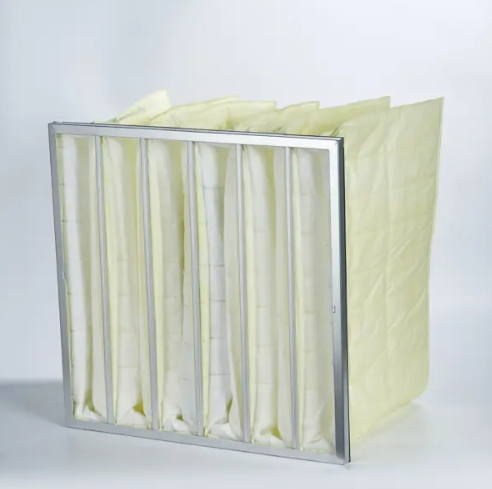
A bag filter is a simple yet effective filtration system designed to remove particles from air or fluid streams. It consists of several key components:
Filter Vessel: This is the housing or container that holds the filter bags and supports the internal structure.
Filter Bags: These are the core components of the filter, made from various fabric materials designed to trap contaminants.
Internal Cage: This provides support to the filter bags, ensuring they maintain their shape as air or fluid passes through.
Sealing Arrangements: These ensure the bags are tightly secured to the filter housing, preventing leaks or bypass.
Bag filters are commonly used in HVAC systems, industrial processes, and even in residential filtration setups. Their ability to trap particles such as dust, bacteria, and other pollutants makes them indispensable in maintaining clean air.
In an HVAC system, the bag filter works by allowing air to pass through the filter media of the bag, which captures particulate matter. As air enters the filter, it is forced through the fabric bags. The bags, depending on their material, trap particles on the surface or inside the fibers of the fabric. The filtered air then exits the system, free from contaminants.
The efficiency of this process is determined by several factors:
The type of fabric used for the filter bags.
The airflow rate.
The surface area available for filtration.
More bags in the system typically provide more surface area for filtration, improving the overall air quality.
One of the most significant factors affecting the number of bags in a bag filter is the flow rate. The flow rate refers to the volume of air or fluid passing through the filter per unit of time. As the flow rate increases, more filtration surface area is required to efficiently remove contaminants without causing the filter to become clogged quickly.
| Flow Rate | Bag Filter Size | Number of Bags |
|---|---|---|
| 10 GPM | Small-sized filter | 1-2 bags |
| 50 GPM | Medium-sized filter | 5-6 bags |
| 100 GPM | Large-sized filter | 10-12 bags |
| 150 GPM | Very large filter | 15-20 bags |
A system with a higher flow rate will likely require more bags to handle the increased volume of air or fluid. For example, in a large industrial setting or HVAC system, higher flow rates demand filters with more bags to ensure effective particulate removal.
Filtration efficiency refers to the filter's ability to capture particles of a certain size. A higher number of bags can enhance filtration efficiency by increasing the total surface area available for trapping particles. The more bags you have, the more particles the filter can capture, leading to cleaner air.
However, there are diminishing returns. At some point, adding more bags does not proportionally increase filtration efficiency, especially if the bags are not fully utilized. Hence, selecting the optimal number of bags requires balancing efficiency with practical constraints like space and pressure drop.
A pressure drop occurs as air or fluid passes through the filter. The more resistance there is in the filter, the greater the pressure drop. While increasing the number of bags in a filter can enhance filtration, it can also increase the pressure drop, leading to higher energy consumption and potentially less effective airflow.
| Number of Bags | Pressure Drop | Energy Consumption |
|---|---|---|
| 10 bags | Low | Lower |
| 20 bags | Moderate | Increased |
| 30 bags | High | High |
It's crucial to find a balance: too many bags can lead to excessive pressure drop, while too few bags may not provide enough filtration capacity. For HVAC systems, where energy efficiency is key, managing the pressure drop is essential.
The primary advantage of increasing the number of bags in a bag filter is the increased surface area for filtration. As the number of bags grows, so does the space available for air or fluid to interact with the filter media. This allows for a greater amount of particulate matter to be trapped, which improves filtration efficiency.
In practical terms, a filter with more bags can handle higher volumes of air or fluid without compromising the quality of filtration. This is especially beneficial in environments where high levels of contaminants are present, such as manufacturing facilities or medical facilities like hospitals.
While increasing the number of bags improves filtration, it also leads to an increase in pressure drop, as mentioned earlier. This can have a direct impact on energy consumption, as more energy is required to push air or fluid through the filter.
To optimize performance, it's essential to find a balance between filtration efficiency and energy consumption. This often involves testing and adjusting the number of bags until an optimal configuration is achieved.
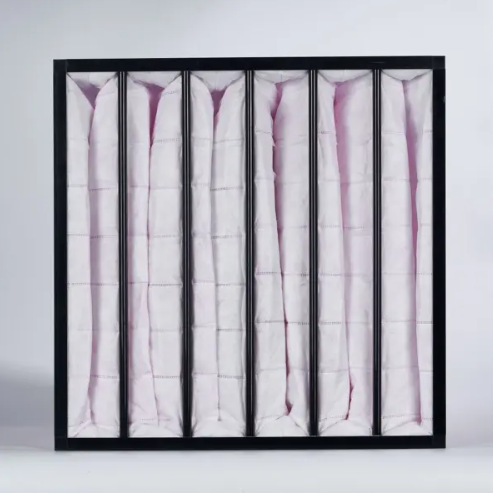
When determining the optimal number of bags for a bag filter, it’s important to start with the HVAC system's specifications. The system's airflow rate, desired filtration efficiency, and space constraints all play a role in selecting the correct number of bags.
For example, a hospital HVAC system requires higher filtration efficiency to prevent the spread of airborne pathogens, which may require more bags. On the other hand, a commercial building might not need as many bags, as the filtration requirements are less stringent.
Different environments require different configurations. For instance:
Offices: Often use filters with fewer bags as the air quality requirements are moderate.
Hospitals: Need filters with a higher number of bags due to the need for sterile, high-efficiency air filtration to prevent airborne infections.
Industrial Sites: In large-scale filtration operations, more bags are often needed to handle high volumes of air and particulate matter.
The best way to determine the ideal number of bags is through testing and experimentation. This involves installing filters with varying bag counts and observing how each setup performs in terms of filtration efficiency, pressure drop, and energy consumption. Over time, you can fine-tune the system for optimal performance.
There are two primary types of bag filter sizes:
| Filter Size | Application | Number of Bags |
|---|---|---|
| Single Bag | Small-scale filtration | 1 bag |
| Multi-Bag | Large-scale filtration | 2-24+ bags |
Single Bag Filter: Typically used for small-scale filtration systems or where the particulate load is low. This simple design is ideal for smaller commercial buildings or residential HVAC systems.
Multi-Bag Filters: These filters can accommodate multiple bags, allowing them to handle larger volumes and higher concentrations of particulates. They are common in industrial settings where air quality needs to be rigorously controlled.
In some cases, custom-sized filters are required to meet specific operational needs. For example, industries dealing with aggressive chemicals or very high particulate loads may need specially designed filters that can handle these extreme conditions without compromising efficiency.
Custom filters are also useful for tight spaces or unusual system configurations, where standard filter sizes may not fit.
The number of bags in a filter directly impacts how often the bags need to be replaced. With more bags, the filter has a larger surface area, and each individual bag may experience less stress, leading to longer replacement intervals.
However, in filters with fewer bags, the load on each bag increases, resulting in more frequent replacements.
The process of cleaning and disposing of filter bags can also be influenced by the number of bags in the system. More bags mean more time spent replacing and cleaning them, but they can also provide more capacity for collecting contaminants, potentially extending the life of each bag. For systems with more bags, it's essential to establish an efficient maintenance protocol to minimize downtime and keep costs low.
In conclusion, the number of bags in a bag filter significantly impacts its performance in an HVAC system. While adding more bags can enhance filtration efficiency, it also increases pressure drop and energy consumption. Finding the ideal number requires balancing filtration needs with energy efficiency and cost. Always consult with filtration experts like Fresh Filter. They offer tailored recommendations to ensure you choose the right bag filter configuration for your HVAC system's specific requirements.
A: A Bag Filter can have anywhere from 1 to 24+ bags, depending on the filtration needs and the size of the system. Larger systems may require more bags to handle higher flow rates and improve efficiency.
A: The number of bags in a Bag Filter affects filtration efficiency. More bags provide increased surface area for trapping contaminants, improving air quality but also increasing pressure drop.
A: Choose based on airflow rate, filtration efficiency, and pressure drop. Consult with experts to balance filtration performance and energy consumption for your system's needs.
