


Views: 0 Author: Site Editor Publish Time: 2025-11-27 Origin: Site


Ceiling filter media plays a vital role in ensuring clean air in controlled environments, such as spray booths and cleanrooms. These filters remove dust, pollen, and other contaminants, providing industries with high air quality standards.
In this article, we’ll explore how ceiling filter media can be customized to meet specific air filtration needs. You'll learn about the benefits of tailored solutions, including improved efficiency, cost savings, and durability. By the end of this post, you will understand why customization is essential for industries where standard filters don't meet the mark.
Customization Options: Ceiling filter media can be tailored in terms of size, thickness, filtration grade, and functional treatments (e.g., flame retardant).
Efficiency and Durability: Custom filters provide enhanced filtration efficiency and longer service life, reducing maintenance costs and energy consumption.
Applications Across Industries: Tailored filters are particularly beneficial for spray booths, cleanrooms, and HVAC systems in industries such as pharmaceuticals, automotive, and electronics.
Manufacturing Process: Customization involves detailed measurement, careful material selection, and rigorous testing to meet industry standards.
Fresh Filter Solutions: Fresh Filter offers highly customizable ceiling filter media, ensuring high-quality performance and compliance with industry standards.
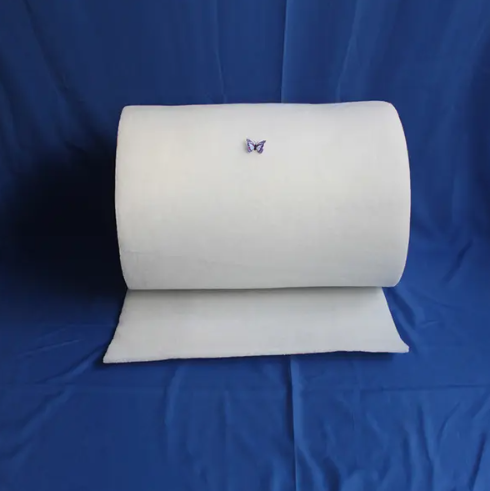
One of the most common customization options for ceiling filter media is adjusting the size and thickness to fit specific environments. For instance, in spray booths where the airflow and dust load vary, ceiling filters need to be adapted to different dimensions for maximum effectiveness. In cleanrooms or pharmaceutical facilities, the size and thickness of the filters play a critical role in ensuring uniform airflow and capturing fine particles.
Customization allows businesses to create filters that perfectly fit their filtration systems, minimizing the risk of bypass and ensuring effective particle capture. Tailoring the filter's thickness ensures it can withstand the dust load and maintain filtration efficiency over time.
Another critical aspect of customization is selecting the appropriate filtration grade for ceiling filters. Common grades include M5 and F5, which determine the level of filtration efficiency. M5 filters, for example, are commonly used in environments with moderate dust loads, while F5 filters are designed for more demanding applications requiring finer filtration.
By customizing the filtration grade, businesses can ensure the filters meet the specific air quality standards of their operations. This ensures that airborne particles of different sizes are effectively captured, enhancing the overall cleanliness of the environment.
In addition to size and filtration grade, ceiling filter media can be customized with various functional treatments such as flame-retardancy and gluing. These treatments are essential for environments that require higher safety standards or specialized features. For example, in areas where fire safety is a top priority, flame-retardant filters prevent the spread of fire through the ventilation system, ensuring compliance with industry regulations like UL900 and DIN53438.
Gluing treatments can also be applied to enhance the integrity and structure of the filter, especially in high-dust environments where added stability is needed. These additional treatments provide extra functionality, ensuring that the filters not only perform optimally but also meet specific regulatory and safety requirements.
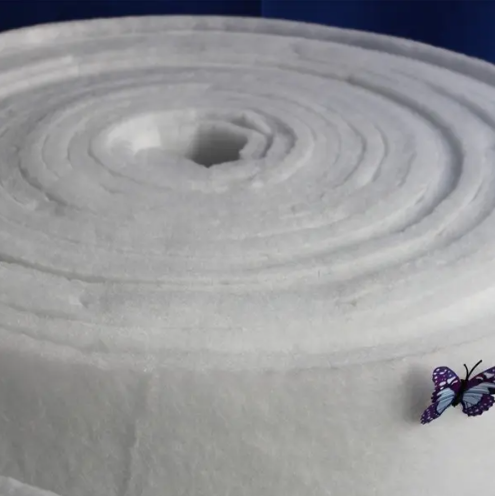
Customization significantly enhances the overall filtration efficiency by addressing the specific needs of the application. Custom filters are designed to handle higher dust loads and more demanding environments, which can reduce the frequency of filter changes and improve air quality over time.
For example, automotive spray booths and pharmaceutical cleanrooms require tailored ceiling filters to capture fine particles and prevent contamination. By customizing the filters, businesses can achieve better filtration, ensuring that their operations meet regulatory standards and maintain a clean environment.
Custom ceiling filter media offers long-term cost savings. While the initial investment in a custom filter may be higher, it can significantly reduce maintenance and energy costs. Custom filters fit perfectly, eliminating the need for additional modifications and ensuring that the filtration system operates efficiently.
Moreover, tailored filters have longer lifespans compared to standard filters, reducing the frequency of replacements and associated waste. Businesses can also reduce energy costs by ensuring the filters are optimized for their systems, which helps to prevent unnecessary pressure drops and minimizes strain on HVAC units.
Custom ceiling filter media is often designed with enhanced durability in mind. Filters made from high-density synthetic fibers or advanced materials offer superior resistance to wear and tear, which is particularly important in environments where filters are exposed to heavy dust loads or harsh chemicals.
With the ability to customize the fiber density and structure, businesses can extend the life of their filters and the equipment they protect. This durability ensures consistent performance over time, even in high-demand applications, making custom filters a valuable investment.
| Benefit | Description |
|---|---|
| Efficiency | Improved air quality, reduced frequency of filter changes. |
| Cost Efficiency | Reduced waste, lower energy consumption, longer filter lifespan. |
| Durability | Filters last longer, providing consistent performance in demanding environments. |
The customization process begins with a detailed assessment of the existing filtration setup. Accurate measurements of the filter track, airflow requirements, and dust loading are essential to ensure that the custom ceiling filter fits perfectly into the system.
In large-scale operations, such as industrial spray booths, measuring the filter sections and determining the necessary specifications will help plan the custom filter design. Proper planning ensures that the custom filters will meet the specific needs of the business and help maintain optimal air quality.
Once the measurements and specifications are established, the manufacturing process begins. This includes selecting the right materials, such as high-density synthetic fibers, and ensuring that the filter meets the required filtration grade and performance standards.
During manufacturing, quality control is crucial to ensure the filters meet industry standards such as UL900 and DIN53438. The filters undergo a series of checks to ensure their durability, performance, and safety, ensuring that they will function optimally in their intended environment.
Before custom ceiling filters are shipped, they undergo thorough testing to verify their performance. This includes testing for pressure drop, dust holding capacity, and overall filtration efficiency. Manufacturers often conduct both in-house and third-party testing to ensure that the filters meet or exceed the required standards.
Testing is an essential part of the customization process to guarantee that the filters will perform as expected. By thoroughly evaluating the filters before installation, businesses can ensure that they are receiving a high-quality product that will meet their specific filtration needs.
| Test Type | Purpose |
|---|---|
| Pressure Drop | Ensures that the filter maintains optimal airflow without excessive resistance. |
| Dust Holding Capacity | Verifies the filter's ability to capture and hold particles over time. |
| Filtration Efficiency | Measures the filter's ability to capture specific sizes of airborne particles. |
In spray booths and paint rooms, ceiling filter media plays a critical role in capturing airborne particles and ensuring a defect-free finish on painted surfaces. Custom filters designed for spray booths help to maintain the right air quality, ensuring that no contaminants affect the painting process.
The ability to customize the filter's thickness, material, and filtration grade ensures that the filter can handle high dust loads and provide consistent airflow, contributing to a smoother, more efficient painting process.
Custom ceiling filter media is essential in cleanrooms, where even the smallest particles can affect product quality. By tailoring the filtration grade and material, businesses can ensure that their cleanrooms maintain the highest standards of air purity. Custom filters help meet specific environmental requirements for industries like pharmaceuticals, biotechnology, and electronics, where precision and cleanliness are crucial.
In industrial environments, HVAC systems require custom ceiling filter media to prevent contamination and ensure clean air distribution. Industries like mining and smelting produce high levels of dust, making customized filters essential for protecting both the equipment and the environment. Tailored filters ensure optimal airflow and capture harmful particles, which improves the overall efficiency of HVAC systems.
| Industry/Application | Filter Customization Needs |
|---|---|
| Spray Booths | Tailored for high dust load, consistent airflow. |
| Cleanrooms | High filtration grades for ultra-clean environments. |
| HVAC Systems | Custom filters for dust-heavy industries. |
Several factors affect the timeline for customizing ceiling filter media, including design complexity, material availability, and order quantity. Simple filter designs with readily available materials can be manufactured and delivered in a shorter period, while more complex filters requiring specific materials or treatments may take longer.
Communication with the manufacturer and clear specifications can help streamline the process and ensure timely delivery.
On average, the customization process for ceiling filter media takes about 2 to 4 weeks, depending on the complexity of the order. Standard filters can be customized and shipped more quickly, while specialized filters may require additional time for manufacturing and testing.
Customized ceiling filter media offers the flexibility to meet specific filtration requirements for different industries. Whether it's a unique size, filtration grade, or special treatment, custom filters can be designed to meet your exact needs, ensuring that your filtration system performs optimally.
Customized filters improve the performance and longevity of your filtration system. By selecting the right materials and design for your specific environment, you can ensure that your filters operate efficiently and last longer, reducing the need for frequent replacements and maintenance.
Customized ceiling filters ensure that your business meets regulatory requirements and industry standards, such as UL900 and DIN53438. Compliance with these standards is essential for industries like pharmaceuticals, automotive, and electronics, where safety and cleanliness are paramount.
Ceiling filter media can be highly customized to meet the specific needs of various industries. Custom filters enhance filtration efficiency, save costs, and improve durability. By tailoring filters to unique applications, businesses can ensure optimal performance and compliance with industry standards. Customized ceiling filters are a valuable investment for companies aiming to improve air quality and extend the lifespan of their filtration systems. Fresh Filter offers a broad range of customizable ceiling filter media, ensuring high-quality performance tailored to industries like automotive, pharmaceuticals, and electronics.
A: Yes, ceiling filter media can be customized to meet the specific needs of various industries, including automotive, pharmaceuticals, and electronics, ensuring optimal filtration performance.
A: Customization options include adjusting the size, thickness, filtration grade, and applying special treatments like flame retardancy to meet specific environmental needs.
A: Customized ceiling filter media offers better efficiency, cost savings, and durability by providing a tailored solution that meets the unique demands of your filtration system.
A: By selecting the right filtration grade and size, customized filters improve air quality by efficiently capturing specific airborne particles, ensuring cleaner environments.
A: The cost of customized ceiling filter media varies based on factors like size, filtration grade, and additional treatments, but it is an investment that pays off with improved performance and longevity.
