


Views: 0 Author: Site Editor Publish Time: 2025-01-14 Origin: Site


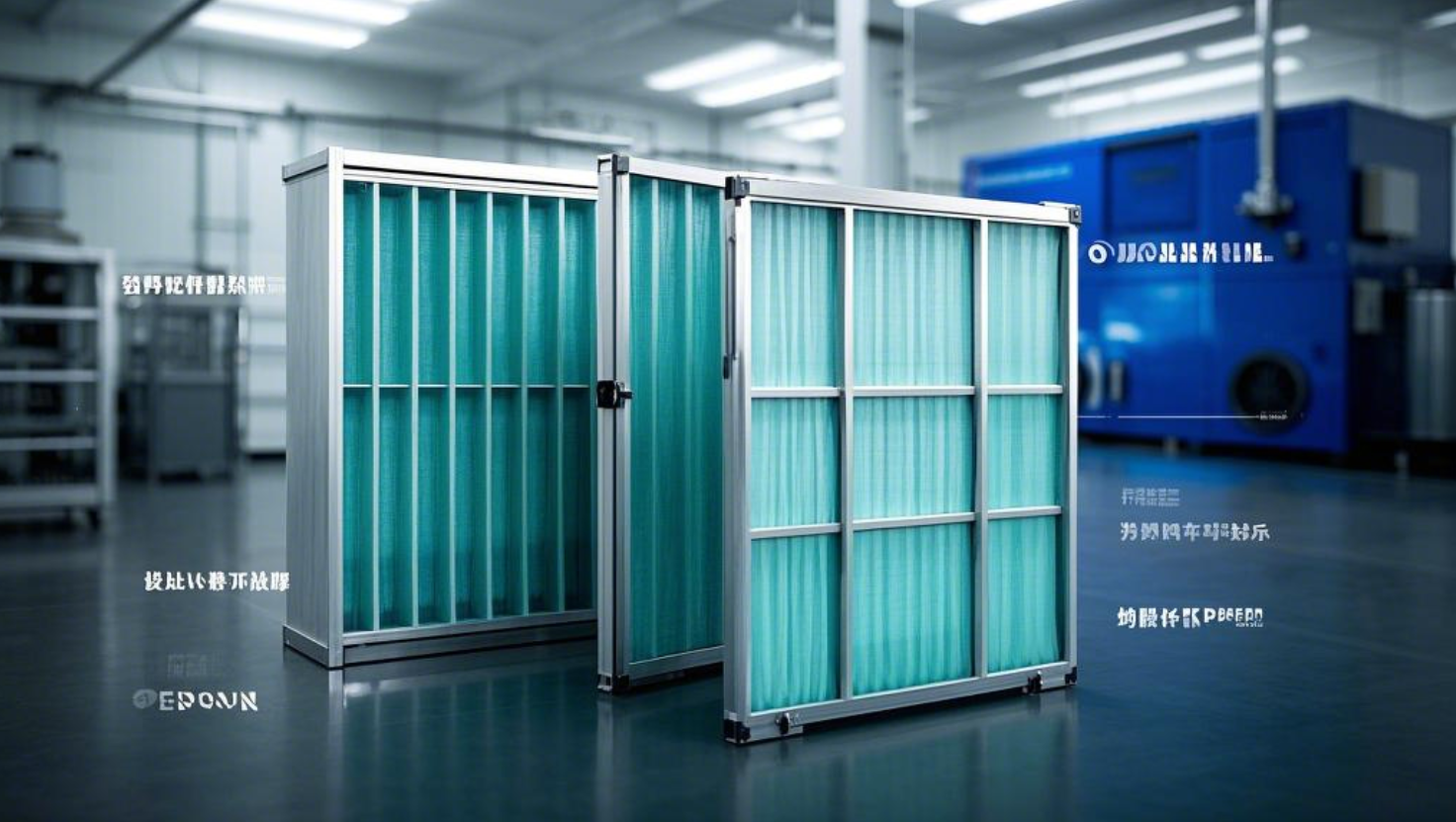
In the realm of industrial filtration, the glass pleated panel filter stands as a pivotal component in ensuring air quality and equipment longevity. These filters are integral in various settings, from manufacturing plants to commercial HVAC systems. Understanding their function and applications is crucial for factories, channel partners, and distributors looking to optimize air filtration solutions.
One of the key comparisons in the filtration industry is between fiberglass filters vs pleated filters. This distinction impacts not only the efficiency of air cleaning but also operational costs and maintenance schedules. By delving into what glass pleated panel filters are used for, stakeholders can make informed decisions that enhance system performance and comply with industry standards.
Glass pleated panel filters are designed to remove contaminants from the air by trapping particles within their fibrous structure. They consist of pleated glass fibers arranged in a panel format, increasing the surface area for filtration without requiring additional space. This design allows for high efficiency in capturing dust, pollen, mold spores, and other airborne particles.
The filters are constructed using fine glass fibers that are pleated and supported by a frame, often made of cardboard or metal. The pleating increases the media area, enhancing the filter's ability to capture particulates. The materials used are selected for their durability and resistance to various environmental conditions, making them suitable for demanding industrial applications.
In factories and manufacturing facilities, maintaining air quality is essential for both employee health and equipment efficiency. Glass pleated panel filters are employed in ventilation systems to remove harmful particles generated during production processes. For instance, in metalworking shops, these filters capture metal shavings and dust, preventing them from circulating in the air.
Heating, Ventilation, and Air Conditioning (HVAC) systems in commercial and industrial buildings utilize glass pleated panel filters to improve indoor air quality. They are effective in trapping allergens and pollutants, ensuring a comfortable environment for occupants. The use of pleated air filters in HVAC systems also contributes to the longevity of the equipment by preventing dust accumulation on components.
In environments where air purity is critical, such as pharmaceutical manufacturing or electronics production, glass pleated panel filters are part of multi-stage filtration systems. They serve as pre-filters to HEPA units, removing larger particles and extending the life of more sensitive filters downstream. Products like the High-Temperature Resistant Air HEPA Filter rely on preceding pleated filters for optimal performance.
When deciding between fiberglass and pleated filters, it's important to consider efficiency and cost. Fiberglass filters are typically less expensive but offer lower efficiency in capturing smaller particles. In contrast, pleated filters, such as glass pleated panel filters, provide higher filtration efficiency due to their increased surface area and finer media.
The debate of pleated air filter vs non-pleated filters centers on performance versus cost. Pleated filters, while generally more expensive upfront, can offer better long-term value through improved air quality and reduced maintenance on HVAC systems.
Fiberglass air filters, made from spun glass fibers, are known for their low cost and minimal airflow resistance. They are suitable for trapping larger particles but are less effective against smaller contaminants. The pros and cons of fiberglass air filters must be weighed carefully. While they may suffice in residential settings or as pre-filters, industrial applications often demand the superior performance of pleated filters.
Non-pleated air filters, including flat panel filters, offer basic filtration at a low cost. However, their lack of pleating means less surface area for capturing particles, resulting in lower efficiency. In industrial and commercial environments where air quality standards are stringent, non-pleated air filters may not meet the necessary requirements.
Glass pleated panel filters provide superior filtration efficiency, capturing a wide range of particle sizes. Their design allows for the removal of up to 99% of airborne contaminants, depending on the filter's MERV rating. This efficiency is crucial in settings where air purity affects product quality or compliance with health regulations.
The materials used in glass pleated panel filters are durable, withstanding harsh operating conditions. This durability extends the filter's service life, reducing the frequency of replacements. Investing in high-quality filters like the V-Bank Combined Air Filters can lead to long-term cost savings.
While the initial investment in glass pleated panel filters may be higher than alternatives, the enhanced performance and extended lifespan result in lower overall costs. Efficient filtration reduces energy consumption by maintaining optimal airflow and diminishes maintenance expenses associated with dust accumulation on equipment.
Selecting the appropriate filter requires an analysis of the environmental conditions in which it will operate. Factors such as temperature, humidity, and the presence of corrosive agents influence the filter's performance and lifespan. High-temperature environments may necessitate specialized filters like the High-Temperature Resistant Air HEPA Filter.
Regular maintenance is vital for sustaining filter performance. Pleated filters typically require less frequent replacement due to their larger dust-holding capacity. However, establishing a maintenance schedule based on the manufacturer's recommendations and environmental demands ensures optimal efficiency and prevents unexpected downtime.
Compliance with industry regulations and standards is a critical consideration. Filters must meet specific criteria set by organizations such as ASHRAE or the EPA. Utilizing products like the HEPA V-Bank Combined Filter ensures adherence to stringent air quality requirements.
Glass pleated panel filters play a vital role in maintaining air quality across various industrial and commercial applications. Their superior filtration efficiency, durability, and cost-effectiveness make them an ideal choice for factories, channel partners, and distributors aiming to enhance their air filtration systems. By understanding the nuances between different filter types, such as pleated air filters and non-pleated options, stakeholders can make informed decisions that align with their operational needs and compliance obligations.
Incorporating high-quality filters from reputable manufacturers ensures not only the efficiency of air handling systems but also the health and safety of personnel. As industries continue to prioritize environmental control and energy efficiency, glass pleated panel filters will remain a cornerstone of effective air filtration strategies.


