


Views: 0 Author: Site Editor Publish Time: 2026-01-30 Origin: Site


What can I put in my vents to prevent dust, and keep my home cleaner? In this article, you will learn how ceiling filter media stops particles and protects airflow.
With Fresh filter's products in mind, explore simple choices and learn more about our products.
Dust enters your home from outside air, open doors, shoes, pets, and daily activity. Tiny particles also come from fabric fibers, skin cells, and cooking residue. Once inside, these particles stay suspended in the air until they are pulled into return vents. These vents guide air back to the HVAC system, where it travels through ductwork and is redistributed to living spaces.
Without effective filtration, many particles remain in circulation instead of being captured. Over time, they settle on vent covers, inside duct openings, and on nearby walls or ceilings. This buildup often becomes more noticeable in rooms with higher foot traffic or near exterior doors.
Airflow acts as a pathway that carries dust from one space to another. Strong airflow can move particles quickly between rooms, especially when doors are open or when the system runs for long periods.
When filters are missing, poorly fitted, or clogged, dust passes through the system repeatedly. This continuous movement increases the chance of particles settling around vent edges and inside duct openings. Uneven airflow can also cause certain rooms to collect more dust than others, making the problem feel localized.
Dark rings around vents often signal air leaks or poor sealing between the vent frame and the ceiling. Frequent dust on furniture suggests particles are bypassing the main filter and re-entering the room.
Weak airflow may point to clogged filters, blocked ducts, or overly dense media that restricts movement. You might also notice unusual noise from vents, which can indicate pressure changes caused by poor filtration or airflow imbalance.
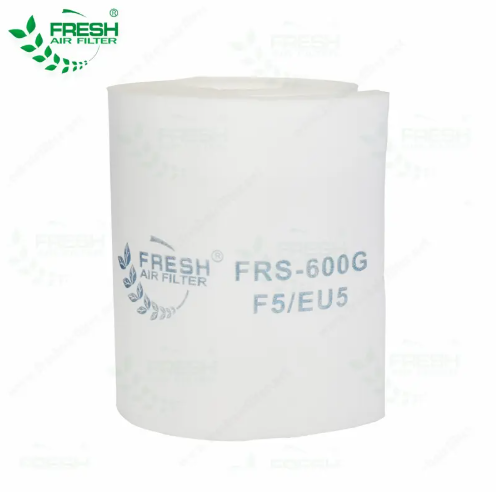
Ceiling filter media is a common choice for return vents. It uses layered fibers to trap dust before it enters the HVAC system. This helps keep ducts cleaner and reduces how much debris returns to living spaces.
Many modern media designs focus on high dust holding capacity while maintaining smooth airflow. This balance allows the system to run efficiently while still capturing a large volume of particles. Filter materials similar to those in the Fresh filter's product range often emphasize this combination, making them suitable for both residential and light commercial environments.
Pre-filters use coarse fibers to catch larger particles such as pet hair, lint, and visible dust. They work well in high-dust rooms and help extend the life of finer filters deeper in the system.
These materials are easy to replace and usually cost less, which makes them useful as a first layer of protection in busy areas like entryways or workshops.
Reusable filters can be cleaned and reused multiple times. These options reduce waste and can lower long-term costs, especially in spaces where dust levels are moderate and predictable.
They work best in environments where regular cleaning is practical. However, they still need careful handling to avoid damaging the filter structure, which can reduce their ability to capture fine particles.
Material Type | Dust Capture Level | Maintenance Need | Best Use Case |
Ceiling filter media | High | Medium | Return vents |
Pre-filter fibers | Medium | Low | High-dust rooms |
Washable filters | Medium | Medium | Long-term use |
Fiberglass sheets | Low | Low | Basic protection |
Return vents pull air back into the system, which makes them the best location for adding filters. Filters placed here stop dust before it enters ducts and reaches fans, coils, or other sensitive components. This early capture helps reduce buildup inside the system and supports more stable airflow throughout the home.
Supply vents push air into rooms after it has already passed through the main HVAC filter. Adding filters at these points often restricts airflow, which can lead to uneven temperatures, longer system run times, and reduced comfort. For most homes, focusing on return vents provides better results with fewer side effects.
Entryways, workshops, and pet areas often release more dust and debris into the air. These spaces act as starting points for particles that later spread through the ventilation system. Placing filters at return vents closest to these zones can limit how much dust moves into other rooms.
In multi-room layouts, targeting a few key return vents often works better than placing filters everywhere. This approach helps maintain balanced airflow while still reducing overall dust circulation.
Whole-home filtration relies on a central HVAC filter to treat all air before it enters the duct network. This method usually provides consistent results across every room. Room-level filtration uses vent filters to address specific problem areas, such as dusty bedrooms or workspaces.
Many homeowners combine both approaches. The central filter handles general air quality, while vent filters offer extra control where dust is most noticeable.
Dense media captures fine dust and pollen more effectively, making it a good choice for allergy-prone areas or homes near busy roads. Lighter media works better for coarse debris like lint and pet hair, which can quickly clog finer filters.
Choose based on how dusty your space feels and how often you plan to replace or clean the filter. A balance between capture ability and service life usually delivers the best results.
Higher filtration often means higher resistance. When resistance becomes too high, airflow drops and the HVAC system has to work harder to move air. This can increase energy use and place extra strain on fans and motors.
Look for media that balances efficiency with low pressure drop. Filters that maintain steady airflow often provide better comfort and lower long-term operating costs.
Measure the vent opening before choosing media. Filters that are too small leave gaps where air can bypass the filter and carry dust into the system. Filters that are too thick may bend frames or block internal airflow paths.
A snug, flat fit helps ensure all air passes through the filter surface and keeps performance consistent.
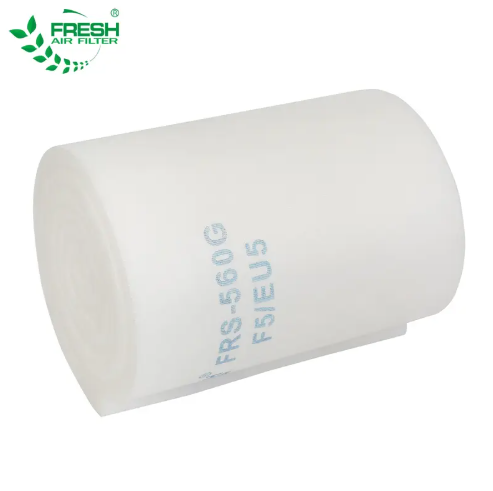
Turn off the HVAC system at the thermostat before you begin. This prevents dust from being pulled into ducts during installation and protects the fan from sudden pressure changes. Wipe the vent cover and surrounding area to remove loose debris that could fall into the opening.
Place the ceiling filter media flat against the vent opening. Make sure the edges line up evenly with the frame. Press gently to create a tight seal and prevent bypass air from slipping around the sides. Avoid folding or compressing the material, as this reduces the effective filtration area.
Turn the system back on and stand under the vent. Feel for steady airflow and check nearby rooms for even temperatures. Listen for whistling or rattling, which can signal poor fit or blocked air paths.
Filters trap dust, pollen, and pet hair before these particles circulate through the home. This can improve breathing comfort and reduce allergy symptoms, especially in bedrooms and living areas where people spend the most time.
Keeping dust out of ducts helps protect fans, coils, and motors from buildup. Clean components often last longer, run more efficiently, and require fewer repairs over time.
Less circulating dust means less frequent cleaning of furniture, floors, and vent covers. It also reduces the need for professional duct cleaning, which can save time and maintenance costs in the long run.
Benefit Area | Impact Level | Long-Term Value |
Indoor air quality | High | Strong |
System protection | Medium | Moderate |
Cleaning effort | Medium | Moderate |
Energy efficiency | Variable | Depends on fit |
Using very thick or tightly packed filters can choke airflow and reduce the amount of air moving through each room. This often leads to uneven temperatures, with some spaces feeling warmer or cooler than others. Over time, the added resistance forces the HVAC fan to work harder, which can increase energy use and place extra stress on system components. Choosing media that balances dust capture with low pressure drop helps avoid these problems.
Vent filters cannot replace a clogged central filter. The main HVAC filter still handles most of the air moving through the system, and if it becomes dirty, overall performance drops quickly. Regular inspection and timely replacement of the central filter help maintain steady airflow and prevent dust from building up inside ducts. When both central and vent-level filters work together, the system stays cleaner and more efficient.
Placing filters in every vent may seem like a good way to block dust, but it increases resistance across the entire system. This can reduce airflow to distant rooms and raise energy costs. A better approach is to focus on key return vents, especially in high-dust areas such as entryways or rooms with pets. Targeted filtration often delivers better results with less strain on the system.
Check filters once a month, especially during seasons when heating or cooling runs more often. Replace them when dust covers most of the surface or when airflow feels weaker than normal. Keeping a simple log of replacement dates can help you maintain a consistent schedule and avoid forgetting service intervals.
Wipe grilles and nearby surfaces with a damp cloth to remove loose dust. This prevents particles from being pulled back into the system when the fan starts. For deeper cleaning, a soft brush or low-suction vacuum can help remove debris from the edges of the duct opening without damaging the vent frame.
Watch for rising energy bills, weak airflow, or new noise coming from vents. These signs often point to filtration problems, blocked ducts, or poor sealing. Addressing small issues early helps prevent larger repairs and keeps indoor comfort stable.
Task | Frequency | Purpose |
Filter inspection | Monthly | Spot buildup |
Filter change | 1 to 3 months | Restore airflow |
Vent cleaning | Monthly | Reduce loose dust |
System check | Quarterly | Maintain efficiency |
Preventing dust in vents starts with understanding airflow and particle entry points.Using ceiling filter media at return vents can reduce dust and protect HVAC parts.With Fresh filter's products, you gain high dust capacity, low resistance, and flexible sizing that supports clean air and long-term value.
A: Ceiling filter media placed on return vents helps trap dust before it enters ducts.
A: Secure ceiling filter media flat in the vent grille and seal edges to stop bypass air.
A: Gaps, low-density media, or clogged filters can let dust pass and reduce performance.
A: Ceiling filter media cost depends on size, thickness, and filtration efficiency.


