


Views: 0 Author: Site Editor Publish Time: 2026-01-23 Origin: Site


Should ceiling vents have filters, or can they harm airflow and comfort? In this article, you will learn how ceiling filter media affects air quality, energy use, and system balance.With Fresh filter products in mind, explore smarter choices and learn more about our products.
Supply ceiling vents push treated air into a room. Return ceiling vents pull air back toward the HVAC unit for conditioning. This difference matters because filters on return vents often help protect equipment from dust and debris before air reaches sensitive components. Filters on supply vents can block airflow and reduce comfort. Understanding this flow path helps you decide where ceiling filter media adds value without creating unnecessary resistance.
Central HVAC filters sit at the air handler and clean air before it moves through ducts. Ceiling vent filters act as an extra layer at the room level. They can capture dust missed by the main filter and limit localized buildup in specific areas. However, they also add resistance, which may increase energy use and system strain. Many facilities prefer to improve central filtration first, then use vent filters only when certain zones need extra protection.
People often add vent filters to reduce allergies, control dust during renovations, or protect sensitive equipment. In high-traffic areas, ceiling filter media can trap debris before it spreads across floors and surfaces. These short-term uses often deliver quick results, but they should not replace proper system-wide filtration and regular HVAC maintenance.
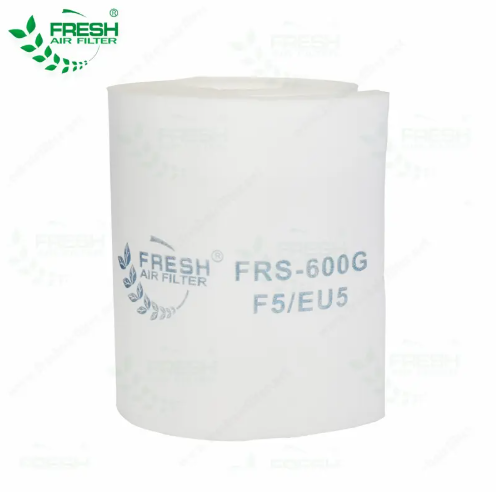
Air passes through the fibers of ceiling filter media as it enters or leaves a room. Larger particles stay near the surface, while smaller particles move deeper into the layers. This layered path improves capture and helps distribute air evenly across the space. It also supports steady circulation, which reduces turbulence and keeps contaminants from settling on work areas.
Efficiency depends on fiber density and thickness. Low-grade media stops coarse dust and lint. Higher-efficiency media captures pollen and fine debris. Selecting the right level helps maintain air quality without creating too much resistance. A balanced choice protects comfort while keeping the HVAC fan from working harder than necessary.
Added filters increase pressure drop across the vent opening. The HVAC fan must work harder to move air through the system. Over time, this can raise energy bills and shorten equipment life. Balanced filtration protects indoor air quality while keeping operating costs and mechanical stress under control.
Rooms near entryways or work zones collect more dust. Ceiling filter media in return vents can reduce the spread of particles through shared ductwork. This helps allergy sufferers breathe more comfortably and keeps surfaces cleaner in busy spaces. Over time, better air quality can also support overall comfort for employees, residents, and visitors.
Filters at return vents block debris before it enters ducts. This reduces buildup inside the system and limits the need for frequent duct cleaning. Cleaner ducts support better airflow and lower long-term maintenance needs for both residential and commercial systems. It also helps HVAC components run more smoothly and with less strain.
During remodeling, dust levels rise quickly. Temporary ceiling vent filters capture heavy debris and fine particles. They protect HVAC components and indoor spaces until work ends and normal filtration can safely resume. This approach helps prevent construction dust from spreading to other areas of the building.
Use Case | Main Benefit | Typical Duration |
Home allergies | Reduced airborne dust | Ongoing |
Renovations | Heavy debris control | Short-term |
Office spaces | Cleaner work areas | Medium-term |
Industrial zones | Equipment protection | Ongoing |
Return vents benefit most from ceiling filter media. Homes without central filter racks often rely on return vent filters as the primary line of defense. Multiple returns allow airflow to spread across larger filter surfaces. This helps reduce pressure drop and maintain stable system performance across different rooms and zones.
Supply vents already deliver filtered air from the HVAC system. Adding filters here restricts airflow and may lower comfort in occupied rooms. Many HVAC professionals discourage this practice because it can increase energy use and reduce overall efficiency. In some cases, it can also cause noise issues as air struggles to pass through blocked grilles.
Dust buildup, weak airflow, and uneven room temperatures often signal filter or duct issues. These signs may point to leaky ducts, clogged central filters, or poor system balance rather than a need for more vent filters. Addressing the root cause often improves air quality more effectively than adding extra layers of filtration.
Pet hair, dust, and pollen require different media structures. Thicker fibers work well for coarse debris in busy areas. Finer fibers capture allergens and fine particles in sensitive spaces. Matching the media to the contaminant improves performance and extends service life. This approach also helps reduce the risk of overloading the system.
Higher MERV ratings mean better particle capture. They also increase airflow resistance. Choosing the right balance helps maintain steady airflow while improving indoor air quality. In many systems, a moderate rating offers the best mix of efficiency and low pressure drop.
Filters must match vent dimensions closely. Gaps allow bypass air to escape filtration. Tight fits ensure all air passes through the media and supports consistent system performance. Proper sizing also helps prevent rattling, shifting, or uneven loading during daily operation.
Media Type | Filtration Level | Resistance | Best Use Case |
Fiberglass | Low | Low | Basic dust control |
Polyester | Medium | Medium | Home and offices |
Pleated fiber | High | Medium | Allergy control |
HEPA-grade | Very high | High | Clean zones |
Turn off the HVAC system before starting any installation. This step prevents dust from being pulled into the ducts while you work and protects the fan from sudden pressure changes. Remove the vent cover carefully and check the frame for sharp edges or loose screws. These small issues can damage the ceiling filter media or make it hard to secure a proper seal.
Secure the media evenly across the grille so air can pass through the full surface. Avoid folding or compressing the material, as this reduces the active filtration area and increases resistance. A flat, smooth fit allows air to move at a steady rate and helps the filter capture particles more effectively.
Avoid bending frames or blocking airflow paths, because this can create pressure points that reduce performance. If the filter sits too tightly, it may cause the grille to warp over time. If it sits too loosely, bypass air can slip around the edges and carry dust back into the room or the duct system.
Measure the vent opening before cutting or selecting your filter. Even small gaps can reduce efficiency. When you reinstall the vent cover, check that it sits flush against the ceiling and does not rattle when the system runs. A quiet, stable grille usually signals a good fit and balanced airflow.
Inspect filters every month, especially during high-use seasons such as summer cooling or winter heating. These periods push more air through the system, which means the media fills with dust faster. A quick visual check often reveals when the surface is coated with debris or when fibers begin to look matted.
Replace filters when dust covers most of the surface or when airflow feels weaker than normal. Some facilities track pressure drop across the filter to guide replacement timing. While this method is more technical, it helps avoid changing filters too early or too late.
For reusable media, gentle cleaning can restore part of the airflow. Use low-pressure air or a soft brush to remove surface dust. Avoid washing unless the manufacturer allows it, because moisture can weaken fibers and reduce filtration performance.
Regular care prevents system strain, keeps air clean, and extends the life of both the media and the HVAC components. A consistent schedule also helps teams plan maintenance budgets and reduce unexpected downtime.
Watch for weak airflow at the vent opening. Reduced air movement often means the filter is clogged or installed incorrectly. You may also notice uneven room temperatures, where some areas feel warmer or cooler than others. This pattern often points to restricted airflow in certain vents.
Listen for unusual noise from vents, such as whistling or rattling. Whistling can signal high resistance caused by blocked media. Rattling may indicate a loose grille or filter frame. Both issues should be addressed quickly to prevent further system stress.
Some facilities use simple airflow meters or temperature sensors to track performance over time. Even basic tools can show trends that reveal when filters begin to affect system balance. Addressing these changes early helps maintain comfort and avoids unnecessary wear on fans and motors.
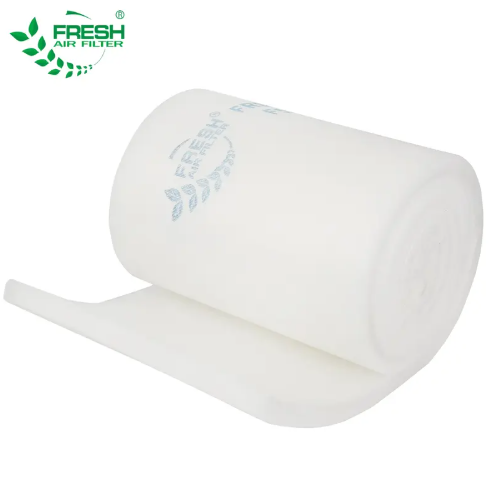
Low-cost filters may save money at first, but frequent replacements can raise total expenses over time. Each change requires labor, disposal, and sometimes system downtime. In busy environments, these hidden costs add up quickly.
Durable media often lasts longer and reduces labor and disposal costs. While the initial price may be higher, fewer replacements mean lower total spending across a year. Looking at long-term use gives a clearer picture of real value rather than just the purchase price.
Facilities that manage many vents often benefit from standardizing filter types. This approach simplifies ordering, storage, and training for maintenance staff. It also helps create more predictable cost planning.
Higher resistance forces fans to run longer and use more power. Even a small increase in pressure drop can affect energy consumption across an entire building. Over a year, this extra energy use can exceed the price of higher-quality filters.
Balanced filtration helps control both air quality and operating costs. Filters that combine good capture efficiency with low initial resistance often deliver the best results. Monitoring energy bills alongside filter changes can reveal how media choices influence overall system efficiency.
In many cases, a higher-rated central HVAC filter solves dust problems across the whole system. This approach treats all air before it enters the duct network, rather than filtering it at each vent.
Central upgrades avoid the need for multiple vent-level filters and simplify maintenance. Staff only need to monitor one main filter location instead of many ceiling grilles. This method often provides more consistent performance and easier upkeep.
For large facilities, central filtration can also improve system balance. Airflow remains more even across rooms, and pressure drop stays within design limits. Over time, this stability supports longer equipment life and more reliable comfort for occupants.
Option | Initial Cost | Maintenance | Energy Impact |
Vent-level filters | Low | High | Medium |
Central HVAC upgrade | Medium | Medium | Low |
HEPA system | High | Low | Low |
Ceiling vent filters can improve air quality in specific return vent situations.They also add resistance and increase maintenance needs over time.
By understanding ceiling filter media and system balance, you can protect airflow and efficiency.With products from Fresh filter,you gain low resistance, high dust capacity, and flexible options that deliver long-term value.
A: Ceiling filter media works best on return vents to improve indoor air quality.
A: Fit the ceiling filter media securely in the grille and check airflow stability.
A: Ceiling filter media on supply vents can restrict airflow and raise energy costs.
A: Ceiling filter media price depends on material, MERV rating, and customization level.


