


Views: 0 Author: Site Editor Publish Time: 2025-08-25 Origin: Site



Aluminum mesh high temperature felt delivers unmatched reliability in demanding industrial environments. This advanced material offers exceptional heat resistance, strong durability, and impressive corrosion resistance, all while maintaining cost-effectiveness.
Industries such as petrochemical, automotive, aerospace, and manufacturing use aluminum mesh high temperature felt for filtration, insulation, and protection against extreme conditions.
Common applications include removing contaminants from fluids, thermal insulation, and sound dampening.
These features allow companies to meet strict performance standards and solve persistent operational challenges.
Aluminum mesh high temperature felt stands out for its ability to maintain stability even when exposed to extreme heat. Many industrial processes reach temperatures up to 650°C. This material does not lose its shape or integrity under such conditions. Workers in metal processing, glass manufacturing, and chemical plants rely on this stability to keep operations running smoothly. The felt’s structure prevents warping or melting, which ensures reliable performance during continuous exposure to high temperatures.
Industrial environments demand materials that deliver consistent results. Aluminum mesh high temperature felt provides continuous performance without frequent replacement. Its unique composition allows it to resist thermal fatigue. This means the material can handle repeated heating and cooling cycles without breaking down. As a result, companies experience fewer interruptions and maintain high levels of efficiency throughout production.
Many industrial settings expose materials to harsh chemicals, moisture, and other corrosive agents. Aluminum mesh high temperature felt offers excellent corrosion resistance. This property protects the felt from rust and chemical damage. Industries such as petrochemical and food processing benefit from this feature, as it extends the lifespan of equipment and reduces the risk of contamination.
Strength plays a crucial role in industrial applications. Aluminum mesh high temperature felt combines lightweight construction with impressive mechanical strength. The mesh structure reinforces the felt, allowing it to withstand physical stress and pressure. This durability makes it suitable for demanding tasks, such as filtration and insulation, where both flexibility and toughness are required.
Companies seek materials that minimize downtime and maintenance costs. Aluminum mesh high temperature felt requires little upkeep. Its resistance to heat and corrosion means fewer repairs and replacements. Maintenance teams can clean the felt easily, often by washing and reusing it. This reduces the need for frequent part changes and lowers overall operating expenses.
A long service life translates to better value for industrial users. Aluminum mesh high temperature felt maintains its properties over extended periods. The combination of heat resistance, strength, and corrosion resistance ensures that the material performs reliably year after year. Businesses benefit from reduced material waste and improved return on investment.
Tip: Choosing aluminum mesh high temperature felt can help companies achieve greater efficiency and lower long-term costs in demanding environments.
Industrial plants rely on aluminum mesh high temperature felt for advanced filtration. This material supports a wide range of filter applications, including air, liquid, and gas filtration. Operators often select it for its high porosity, which allows fluids to pass through while trapping contaminants. The unique structure of metal fiber felt and woven wire mesh ensures a high dirt-holding capacity, making it ideal for demanding filtration systems. Factories use these filters in chemical processing, food production, and power generation. The combination of metal fiber felt and woven wire mesh delivers consistent results, even in harsh environments. High porosity and precise construction help maintain flow rates and reduce pressure drops during the filtration process.
Aluminum mesh high temperature felt stands out for its reusability in filtration systems. Many filter designs use metal fiber felt and woven wire mesh to allow for easy cleaning and regeneration.
Operators can clean filters using online backwashing, which uses reverse fluid at high pressure to remove blockages.
Offline cleaning methods include soaking filters in alkaline or acidic solutions, ultrasonic cleaning, or hot water rinsing.
Proper cleaning extends the service life of the filter, allowing dozens of reuse cycles.
The all-metal construction and precision welding of these filters support durability and efficient cleaning.
These features help companies reduce operational costs and minimize filter replacement frequency. The washable nature of metal fiber felt and woven wire mesh filters makes them a sustainable choice for modern filtration systems.
Aluminum mesh high temperature felt provides excellent insulation in high-temperature environments. The metal fiber felt and woven wire mesh layers trap heat, protecting equipment and workers from extreme temperatures. Many industries use these filters as thermal barriers in ovens, reactors, and pipelines. The material’s structure resists heat transfer, ensuring stable operating conditions and reducing energy loss.
Manufacturers often install aluminum mesh high temperature felt in furnaces and kilns. The filter’s ability to withstand intense heat and maintain structural integrity makes it suitable for these applications. Metal fiber felt and woven wire mesh act as both insulation and filtration barriers, preventing debris from entering sensitive areas. This dual function improves equipment longevity and maintains product quality.
Engineers value aluminum mesh high temperature felt for its high strength and low weight. The combination of metal fiber felt and woven wire mesh creates a strong yet lightweight filter. This property allows for easy handling and installation in filtration systems, insulation panels, and protective barriers. The material supports heavy loads without adding unnecessary weight to structures.
Manufacturers can easily cut, shape, and assemble aluminum mesh high temperature felt. The flexibility of metal fiber felt and woven wire mesh simplifies the production of custom filters and insulation components. This ease of processing reduces lead times and supports rapid deployment in industrial projects.
Note: Aluminum mesh high temperature felt delivers reliable performance in filtration, insulation, and structural reinforcement. Its unique blend of metal fiber felt and woven wire mesh ensures durability, efficiency, and adaptability across many industrial applications.
Industrial equipment often faces the risk of overheating during continuous operation. Aluminum mesh high temperature felt acts as a reliable thermal barrier. This material absorbs and disperses heat, which helps keep machinery at safe operating temperatures. By preventing excessive heat buildup, companies can avoid sudden shutdowns and costly repairs. Operators trust this felt to maintain stable conditions, especially in environments where temperature spikes threaten productivity.
Unplanned downtime disrupts production schedules and increases costs. Aluminum mesh high temperature felt supports consistent operation by maintaining its structure and performance under stress. The felt resists deformation and breakdown, even after repeated exposure to high temperatures. As a result, machinery runs smoothly for longer periods. Production teams experience fewer interruptions, which leads to higher output and improved efficiency.
Frequent repairs drain resources and slow down industrial processes. Aluminum mesh high temperature felt reduces the need for constant maintenance. Its corrosion resistance protects against chemical damage, while its mechanical strength withstands physical wear. Companies report fewer breakdowns and less frequent part replacements when using this material. Maintenance crews can focus on other critical tasks, knowing the felt will perform reliably.
Cleaning industrial components can be time-consuming. Aluminum mesh high temperature felt simplifies this process. The material’s design allows for quick removal of dust, debris, and contaminants. Operators can wash and reuse the felt multiple times without losing performance. This easy cleaning process saves time and reduces the cost of consumables.
Tip: Regular cleaning of aluminum mesh high temperature felt extends its service life and keeps filtration systems running efficiently.
Sensitive equipment and finished products require protection from extreme heat. Aluminum mesh high temperature felt provides effective heat shielding. The felt forms a barrier that blocks radiant and conductive heat, safeguarding machinery and materials. This protection helps maintain product quality and prevents heat-related damage.
Industrial processes demand consistent quality. Aluminum mesh high temperature felt contributes to quality assurance by maintaining stable operating conditions. The material prevents contamination and thermal fluctuations, which can affect product integrity. Companies rely on this felt to meet strict industry standards and deliver reliable results.
Key Benefits Table:
| Problem | Solution Provided by Aluminum Mesh High Temperature Felt |
|---|---|
| Overheating | Thermal barrier, heat dispersion |
| Frequent Repairs | Corrosion resistance, mechanical strength |
| Cleaning Challenges | Washable, reusable, easy to maintain |
| Product Damage | Heat shielding, stable environment |
Aluminum mesh high temperature felt addresses critical industrial challenges, making it a valuable asset for any operation that demands reliability and efficiency.
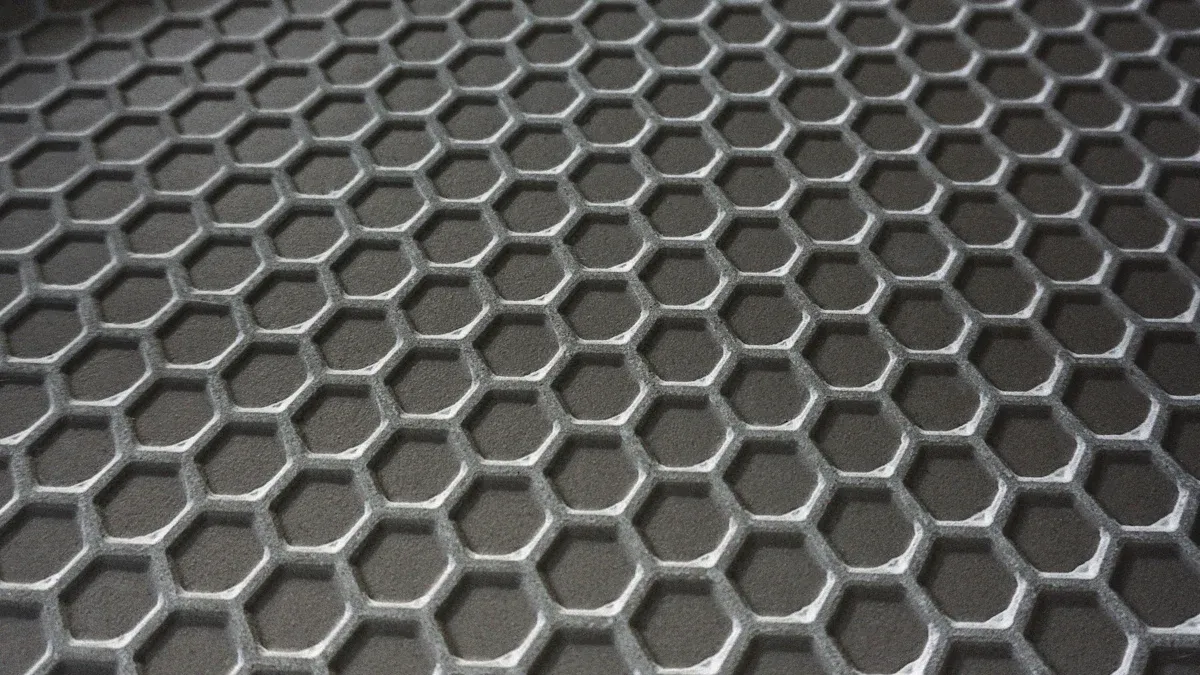
Sintered metal fiber felt and aluminum mesh high temperature felt both serve critical roles in industrial settings. However, their performance characteristics differ in several ways. Sintered metal fiber felt offers excellent filtration efficiency due to its fine fiber structure. This material captures even the smallest particles, making it ideal for applications that demand high purity. In contrast, aluminum mesh high temperature felt provides a balance between filtration and airflow. Many industries prefer metal fiber felt and woven wire mesh combinations for their ability to maintain strong flow rates while still trapping contaminants.
Operators often choose sintered metal fiber felt for processes that require ultra-fine filtration. However, metal fiber felt and woven wire mesh deliver better performance in environments where both strength and permeability matter. The unique structure of woven wire mesh supports durability and resists clogging, which helps maintain consistent operation.
Weight and strength play important roles in material selection. Sintered metal fiber felt tends to be denser and heavier than aluminum mesh high temperature felt. This added weight can limit its use in applications where lightweight materials are essential. Metal fiber felt and woven wire mesh offer a lighter alternative without sacrificing mechanical strength. Engineers value the combination of metal fiber felt and woven wire mesh for its ability to withstand physical stress while remaining easy to handle.
A comparison table highlights these differences:
| Property | Sintered Metal Fiber Felt | Metal Fiber Felt & Woven Wire Mesh |
|---|---|---|
| Filtration Efficiency | Very High | High |
| Weight | Heavier | Lighter |
| Mechanical Strength | Strong | Strong |
| Airflow | Moderate | Excellent |
Note: Metal fiber felt and woven wire mesh provide a practical solution for industries that require both strength and low weight.
Aluminum mesh high temperature felt stands apart from other metal meshes such as steel or fiberglass. Steel mesh offers high strength but adds significant weight and can corrode over time. Fiberglass mesh resists corrosion but cannot match the heat resistance of metal fiber felt and woven wire mesh. Aluminum mesh high temperature felt, when combined with metal fiber felt and woven wire mesh, delivers a unique blend of heat resistance, corrosion protection, and lightweight construction.
Many industries select metal fiber felt and woven wire mesh over steel or fiberglass for applications that demand both durability and flexibility. The woven wire mesh structure allows for easy customization and installation, which supports a wide range of industrial uses.
Cost and longevity influence material choice in every industry. Sintered metal fiber felt often comes with a higher price tag due to its complex manufacturing process. Steel mesh may seem affordable at first, but maintenance and replacement costs add up over time. Fiberglass mesh offers low initial costs but lacks the durability of metal fiber felt and woven wire mesh.
Aluminum mesh high temperature felt, especially when paired with metal fiber felt and woven wire mesh, provides a cost-effective solution. This combination reduces maintenance needs and extends service life. Companies benefit from fewer replacements and lower total operating costs.
Tip: Choosing metal fiber felt and woven wire mesh can help businesses achieve long-term savings and reliable performance in harsh environments.
Aluminum mesh high temperature felt plays a vital role in aluminum production facilities. Operators use this material to line conveyor belts that transport hot aluminum profiles. The felt prevents direct contact between the metal and machinery, reducing surface defects and ensuring a smooth finish. Its heat resistance allows it to withstand the intense temperatures found in extrusion and casting processes. Production teams report fewer equipment failures and improved product quality when they use aluminum mesh high temperature felt.
In smelting and refining plants, high-temperature processing demands materials that can handle thermal stress. Aluminum mesh high temperature felt acts as a protective barrier for sensitive equipment. It shields rollers, transfer arms, and cooling beds from heat damage. Maintenance crews find that the felt’s durability reduces the frequency of part replacements. This reliability helps maintain continuous operation and lowers overall maintenance costs.
Glass and ceramics manufacturers rely on aluminum mesh high temperature felt to protect kiln interiors. The felt lines kiln walls and shelves, preventing direct exposure to flames and hot gases. This protection minimizes thermal shock and extends the lifespan of kiln components. Operators notice fewer cracks and less warping in finished products, which leads to higher yields and less waste.
Thermal insulation remains critical in glass and ceramics production. Aluminum mesh high temperature felt provides an effective barrier against heat loss. It insulates furnace doors, pipelines, and molds, keeping temperatures stable throughout the process. This stability improves energy efficiency and ensures consistent product quality. The felt’s lightweight structure makes installation easy and reduces strain on support systems.
Automotive and aerospace engineers prioritize materials that offer strength without adding unnecessary weight. Aluminum mesh high temperature felt meets these requirements. In aerospace, pre-oxidized aluminum-coated fabrics protect high-temperature components while keeping weight to a minimum. Automotive manufacturers use these materials as fireproof mats around engines and exhaust systems. They also install them in high-end car interiors to enhance fire protection and heat insulation, improving both safety and comfort.
Foam aluminum finds use in crash energy-absorbing modules, battery protection, engine brackets, door soundproofing, and underbody fillers.
These applications contribute to lightweight vehicle design and improved safety.
In aerospace, foam aluminum serves in spacecraft shock absorbers, re-entry module bottoms, and rocket housings.
Aluminum mesh high temperature felt delivers durability in the most demanding environments. Automotive uses include exhaust wraps, turbocharger insulation, and engine compartment heat shielding. These applications improve thermal efficiency and protect sensitive components from heat damage. Aerospace teams use the felt for thermal shielding of wiring looms, engine bays, and fuselage sections. The material’s flame resistance, heat insulation, and low weight-to-strength ratio make it ideal for these critical roles.
Note: Leading suppliers like Fresh Air Filter provide high-quality aluminum mesh high temperature felt tailored for these industries. Their products support advanced processing methods, including CNC machining and composite bonding, ensuring reliable performance in every application.
Selecting the correct aluminum mesh high temperature felt starts with understanding the temperature requirements of the application. Each felt product comes with a specific temperature rating. Industrial users should match the felt’s maximum temperature tolerance to the highest operating temperature in their process. For example, in metal processing or kiln insulation, the felt must withstand continuous exposure to temperatures up to 650°C. Using a felt with a lower rating can lead to premature failure or safety risks. Manufacturers often provide clear guidelines on temperature limits. Always check these specifications before making a purchase.
Compatibility with other materials and system components ensures optimal performance. Aluminum mesh high temperature felt should work seamlessly with existing insulation, filtration, or structural systems. Users must consider chemical exposure, mechanical stress, and installation environment. For instance, in roofing applications, the felt should pair with high temperature rated underlayments to prevent melting or degradation. Compatibility also extends to fasteners and adhesives. Corrosion-resistant nails or cap fasteners help maintain the integrity of the installation over time.
Proper installation maximizes the performance and lifespan of aluminum mesh high temperature felt. In roofing and insulation projects, professionals follow a series of best practices:
Clean and dry the installation surface before applying the felt.
Overlap each roll of underlayment as specified to prevent water intrusion.
Secure the felt using corrosion-resistant nails or cap fasteners.
Avoid installation during adverse weather, such as rain or high winds.
Apply peel-and-stick membranes before synthetic sheets to ensure watertight transitions.
These steps help create a reliable barrier against heat, moisture, and contaminants. In hot roof low slope metal roof systems, installers often place a mesh underlayment above other layers. This design provides a drainage path for trapped moisture, reducing the risk of rot and mold. The mesh also acts as a thermal break, minimizing heat transfer and improving energy efficiency. Additionally, it helps dampen noise from rain or hail, enhancing comfort inside the building.
Routine maintenance extends the service life of aluminum mesh high temperature felt. Operators should inspect the felt regularly for signs of wear, corrosion, or physical damage. Cleaning the felt with water or mild detergents removes dust and debris. Many industrial filters allow for backwashing or ultrasonic cleaning, which restores performance without replacing the material. When used in roofing, check for secure fasteners and intact overlaps after severe weather. Promptly address any issues to maintain protection and efficiency.
Tip: Consistent inspection and cleaning keep aluminum mesh high temperature felt performing at its best, reducing downtime and replacement costs.
| Maintenance Task | Frequency | Benefit |
|---|---|---|
| Visual Inspection | Monthly | Early detection of damage |
| Cleaning | As needed | Maintains filtration/insulation |
| Fastener Check | After storms | Prevents leaks or shifting |
Aluminum mesh high temperature felt stands out in industrial settings for several reasons:
High porosity and strength deliver superior filtration and durability.
Corrosion resistance and easy cleaning reduce downtime.
Long service life and energy savings lower operational costs.
Advanced manufacturing supports custom solutions for demanding industries.
Industry experts predict continued growth as sectors like automotive and aerospace seek high-performance, sustainable materials. Companies can consult trusted suppliers such as Fresh Air Filter for tailored advice and reliable products.
Metal fiber felt resists extreme heat and maintains its structure at temperatures up to 650°C. This material combines with woven wire mesh to create a filter that performs reliably in demanding industrial settings.
Woven wire mesh adds strength and stability to the filter. It supports the metal fiber felt, allowing the filter to handle high pressure and repeated use. This combination ensures consistent filtration and long service life.
Yes. Operators can wash and reuse metal fiber felt filters many times. The filter design, which includes woven wire mesh, allows for easy cleaning. This feature reduces waste and lowers replacement costs.
Industries such as petrochemical, automotive, and food processing use these filters. The combination of metal fiber felt and woven wire mesh provides effective filtration and durability in harsh environments.
Metal fiber felt outperforms many traditional filter materials. It offers better heat resistance, longer service life, and improved filtration. When paired with woven wire mesh, the filter becomes even more robust and efficient.
Filtration removes contaminants from air, liquids, and gases. Metal fiber felt and woven wire mesh filters ensure clean operation and protect equipment. Reliable filtration improves product quality and reduces downtime.
Manufacturers can customize metal fiber felt filters. They adjust the thickness, pore size, and woven wire mesh structure to meet unique requirements. This flexibility supports a wide range of industrial uses.
Regular inspection and cleaning keep the filter in top condition. Operators should check for damage and remove debris. Proper care ensures the metal fiber felt and woven wire mesh continue to deliver effective filtration.


