


Views: 0 Author: Site Editor Publish Time: 2026-09-19 Origin: Site


Rail transit environments demand strict fire safety protocols to protect passengers and infrastructure. Tunnel fires present severe risks, as smoke rapidly propagates through enclosed spaces and HVAC systems. If ventilation units lack proper safeguards, they actively distribute toxic fumes across passenger cabins. Specifying the correct filtration materials solves this engineering challenge. You need filters that meet international fire safety standards while maintaining airflow efficiency and high dust holding capacity. We evaluate these materials based on polymer science, regulatory compliance, and field performance. This framework helps you select the right media for high-speed railways, subways, and light rail networks without compromising maintenance schedules.
Compliance is Non-Negotiable: Meeting EN 45545-2 and NFPA 130 standards requires media that specifically addresses flame spread, smoke opacity, and toxicity.
Material Selection Dictates Longevity: Inherently Flame Retardant (IFR) technology offers permanent protection compared to chemically impregnated media, which may degrade over time.
Performance Trade-Offs: Balancing low airflow resistance with high filtration efficiency is critical to minimizing the energy consumption of rail transit HVAC systems.
System-Level Integration: Filter media must be evaluated alongside framing and sealing components to ensure the entire heat resistant synthetic panel filter assembly maintains fire integrity.
HVAC filtration in public transport serves a dual purpose. It protects passengers from external particulate matter and prevents the ventilation system from becoming a conduit for fire. High-velocity transit systems pull massive volumes of air through intake grilles at face velocities often exceeding 2.5 meters per second. Sparks from rail friction frequently enter these air intakes. Pantograph arcing generates additional ignition risks when carbon strips wear down against overhead catenary lines. External sources like trackside debris fires also pose threats. Media must not ignite upon contact with these transient heat sources. A single spark can ignite accumulated dust if the filter material lacks proper fire resistance. You must specify materials that self-extinguish immediately upon spark contact to prevent thermal runaway within the air handling unit.
Pre-filters act as the first line of defense in air conditioning systems. They capture sparks and heavy particulate matter, preventing hazards from reaching finer, downstream filtration components. Using flame retardant filter media here stops ignition at the entry point. Heavy dust loading creates a highly combustible environment within the filter housing. Brake dust contains iron oxide, copper, and friction modifiers that retain heat. When a spark hits a standard synthetic pre-filter loaded with brake dust, combustion happens rapidly. Flame-retardant pre-filters interrupt this thermal reaction. They isolate the heat source and prevent flame propagation into the main HVAC unit. Field inspections of subway ventilation shafts routinely reveal pre-filters caked with this metallic dust, highlighting the need for robust spark arrestance.
Preventing flame spread solves only half the safety equation. Media must not produce dense or toxic smoke when exposed to extreme heat. Clear visibility ensures safe passenger evacuation routes during tunnel emergencies. Low smoke opacity saves lives by allowing passengers to locate exits in enclosed subterranean environments. Burning plastics release carbon monoxide, hydrogen cyanide, and other lethal gases. Filter media must utilize polymers that limit these toxic byproducts during thermal decomposition. Passenger cabins require strict control over any material that could compromise breathable air during an incident. The filtration system must remain structurally intact without off-gassing hazardous chemical compounds. Testing protocols like ISO 5659-2 specifically measure this optical density to ensure materials meet evacuation visibility requirements.
Procurement and engineering specifications rely on authoritative fire safety standards. EN 45545-2 dictates European railway safety requirements, categorizing risks into Hazard Levels ranging from HL1 to HL3. Higher numbers indicate stricter requirements for enclosed or underground routes. Sleeping cars and subterranean subways demand HL3 compliance. Air filters must pass specific R-requirements under this standard. These tests measure flame spread, heat release, and smoke toxicity. ISO 5659-2 evaluates the optical density of smoke generated by the media in a sealed chamber. ISO 5660-1 measures the dynamic heat release rate using a cone calorimeter. Filters failing these metrics cannot be installed in European rail fleets.
Hazard Level | Operational Category | Typical Application | Testing Stringency |
|---|---|---|---|
HL1 | Surface operation, quick evacuation | Standard light rail, trams | Baseline flame spread limits |
HL2 | Short tunnels, elevated structures | Regional commuter trains | Strict smoke opacity controls |
HL3 | Long tunnels, underground, sleeping cars | Subways, high-speed rail | Maximum toxicity and heat release limits |
NFPA 130 governs North American transit standards for fixed guideway systems. It focuses heavily on flame spread and smoke generation metrics. ASTM E162 tests the surface flammability of materials using a radiant heat energy source to determine the flame spread index. ASTM E662 evaluates the specific optical density of smoke generated by solid materials. Comparing these regional codes reveals overlapping priorities. Both demand strict limits on material combustibility and smoke generation. Asian rail networks often adopt a hybrid of EN 45545-2 and local fire codes. Global transit manufacturers design HVAC systems that satisfy multiple regional standards simultaneously to standardize their supply chains.
Relying on unverified manufacturer claims carries unacceptable safety risks. You must request independent, third-party laboratory certifications. Verified test reports confirm compliance with these rigorous standards. Internal factory testing provides baseline data but lacks regulatory authority. Procurement teams should follow a strict verification process:
Request current certificates from accredited testing facilities like Exova or UL.
Verify that the testing parameters match the exact media thickness and density specified for your project.
Confirm the certification date is recent and aligns with the latest standard revisions.
Conduct random batch sampling upon delivery to ensure ongoing manufacturing consistency.
Any alteration in pleat geometry or fiber density requires new certification. Continuous compliance requires periodic batch testing to ensure the material properties have not drifted during production.
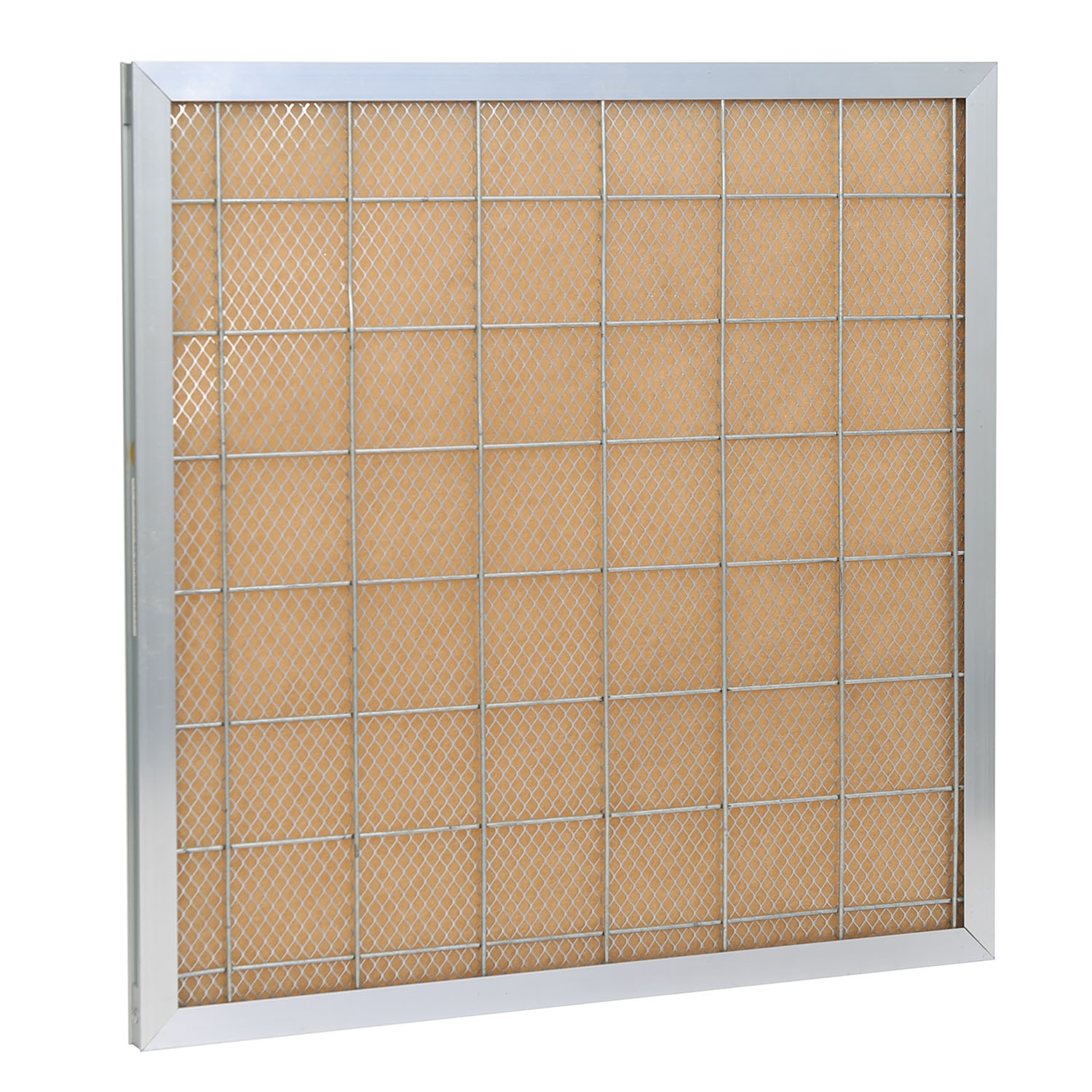
Manufacturing approaches dictate the performance and lifespan of the filter. Inherently Flame Retardant (IFR) synthetic fibers engineer protection at the molecular level. The fire resistance exists within the polymer matrix itself. It cannot be washed out or worn away during operation. Environmental moisture does not degrade its effectiveness. IFR materials utilize phosphorus-based or halogen-free compounds integrated during the fiber extrusion process. This ensures uniform protection across the entire filter surface. These additives disrupt the combustion cycle in the gas phase by scavenging free radicals. When exposed to flame, IFR fibers shrink away from the heat source. They do not melt into flaming droplets that could ignite secondary fires in the ductwork below.
Chemical impregnation involves treating standard synthetic or cellulose media. Manufacturers apply flame-retardant chemical baths or sprays to the surface. This approach presents a lower initial procurement cost. However, the chemical coating risks severe degradation over time. Humidity, rain ingress, and transit vibration compromise the treatment. Chemical salts used in these treatments have specific deliquescence points. When tunnel humidity hits 85%, these salts absorb water and drip off the media. This leaves patches of the filter completely unprotected. You must evaluate the cost-to-lifespan ratio carefully. The risk of chemical degradation outweighs the initial savings for long-term rail deployments.
You must distinguish between fire prevention and heat endurance. A high temperature filter media operates continuously in extreme heat environments. Examples include fiberglass or specialized PTFE used in locomotive engine compartments. These materials withstand continuous operating temperatures exceeding 250°C without structural failure. Conversely, flame retardant media prevents ignition and flame spread in passenger cabin HVACs operating at normal ambient temperatures. Specialized applications sometimes require a hybrid approach. Engine intake filters need both continuous heat resistance and spark arrestance capabilities to protect mechanical components from trackside debris fires.
Ultra-clean transit environments demand proprietary fire-retardant HEPA solutions. High-speed rail cabins increasingly require hospital-grade air purification to filter sub-micron particles and biological contaminants. Standard HEPA media utilizes fine glass fibers or delicate synthetic membranes. These materials can fail catastrophically under direct flame exposure or high-velocity spark impact. Manufacturers have developed specialized HEPA filters engineered with fire-retardant properties that comply with EN 1822 standards for H13/H14 efficiency. These filters will not ignite upon spark contact. They provide protection for onboard fume extraction systems in dining cars or specialized transit vehicles. Implementing these solutions ensures sub-micron particle capture without compromising the vehicle's overall fire safety rating.
Fire safety requirements directly impact aerodynamic and filtration performance. Dense flame-retardant fibers increase initial pressure drop. Heavy chemical coatings cause similar airflow resistance by bridging the gaps between fibers. Transit HVAC blowers must draw more energy to overcome this resistance. Balancing safety with energy consumption remains a primary engineering challenge. Increased blower workload reduces overall train energy efficiency and accelerates motor wear. You calculate acceptable pressure drops using the square law of airflow resistance. Advanced IFR fibers are engineered with specialized cross-sections to maximize open area. This maintains low airflow resistance, often keeping initial pressure drops below 50 Pascals for G4 pre-filters, while meeting strict EN 45545-2 combustibility limits.
Media structure dictates the total dust holding capacity. Rail environments generate unique particulate profiles. Brake dust, metallic particles, and environmental pollutants load the filter rapidly. Higher capacity extends maintenance cycles and reduces replacement intervals. A progressive density media structure captures large particles on the surface and finer dust deep within the matrix. This prevents premature surface blinding. Flame retardant additives must not interfere with this depth-loading capability. Filters tested under ISO 16890 standards should demonstrate the ability to hold hundreds of grams of dust per square meter. Frequent filter replacements increase maintenance labor costs and vehicle downtime. Optimizing dust holding capacity directly improves fleet availability and operational efficiency.
The physical housing of the media matters immensely. A heat resistant synthetic panel filter requires careful pleating and structural support. Custom framing ensures low airflow resistance and prevents media sagging. Robust structural integrity withstands high-vibration transit conditions. Bogie vibrations transmit directly into the HVAC housing. Weak filter frames will collapse, allowing unfiltered air and sparks to bypass the media. Metal frames utilize galvanized steel or aluminum to prevent galvanic corrosion. Manufacturers stabilize the pleats using hot melt glue beads. The adhesive binding the media to the frame must also possess certified flame-retardant properties to maintain system integrity.
Every rail application possesses unique environmental and aerodynamic requirements. High-speed rail faces severe pressure pulses and aerodynamic shockwaves when two trains pass each other in a tunnel. Subterranean subways deal with high humidity and heavy iron dust concentrations. Light rail systems encounter urban pollution and frequent stop-and-go vibrations. Off-the-shelf solutions rarely suffice for these diverse conditions. Custom air filter designs ensure optimal flame safety and airflow. You specify pleat depth, media area, and frame dimensions based on the specific HVAC unit. Tailoring the filtration solution to the exact operational environment guarantees maximum protection and performance.
Deploying these filters in active rail fleets presents practical environmental challenges. Tunnel moisture, rain ingress, and high humidity threaten surface-treated media. Environmental degradation compromises the efficacy of chemical flame retardants. Water droplets physically wash the protective salts off the synthetic fibers. This leaves the filter highly combustible during dry periods. Winter operations introduce snow ingestion, which melts and saturates the media. IFR materials mitigate this specific risk entirely because the protection is molecular. HVAC intakes incorporate proper weather louvers and mist eliminators. Keeping bulk water away from the filter media preserves both its structural integrity and its fire resistance.
System-level compatibility requires strict engineering oversight. Pairing highly rated media with non-compliant components voids overall safety certifications. Gaskets, frames, and adhesives must match the fire rating of the filter material. A flame-retardant media housed in a combustible polyurethane frame presents a massive hazard. The frame will ignite, bypassing the media entirely. You specify closed-cell, fire-rated neoprene or silicone gaskets. The entire filter assembly undergoes testing as a complete unit. Component-level certification does not guarantee system-level compliance under EN 45545-2 regulations. Transitioning from older standards like DIN 5510-2 requires a complete audit of all housing materials.
Procurement teams audit suppliers rigorously. Batch-to-batch consistency in flame retardant properties is non-negotiable. A single non-compliant batch compromises the safety of an entire train consist. Suppliers maintain strict ISO 9001 quality control protocols. They provide traceability for all raw materials used in the filter construction. Managing lead times for custom-engineered transit filters ensures fleet readiness. Transit authorities establish secondary approved suppliers to prevent supply chain bottlenecks. Regular random sampling of delivered filters for independent fire testing verifies ongoing supplier compliance and protects the transit authority from liability.
Audit your current HVAC filtration specifications against the latest EN 45545-2 or NFPA 130 hazard levels to identify compliance gaps.
Request detailed technical data sheets and third-party fire testing certificates from all filter manufacturers before approving procurement contracts.
Initiate pilot testing for pressure drop and dust loading on a single train consist to verify aerodynamic performance before fleet-wide deployment.
Inspect all filter framing, adhesives, and gaskets during routine maintenance to confirm system-level fire safety compliance remains intact.
Establish a regular replacement schedule based on actual dust loading data and pressure drop readings rather than visual inspection.
A: Flame retardant media prevents ignition and stops flame spread when exposed to sparks or transient fire sources. It operates in normal ambient temperatures. High temperature media withstands continuous extreme heat without melting or structural failure, typically used in engine compartments or industrial exhausts.
A: EN 45545-2 mandates specific material testing requirements for smoke density, toxicity, and flammability. HVAC filters must meet specific Hazard Levels (HL1 to HL3) based on the train's operational category, ensuring they do not contribute to fire spread or toxic smoke in passenger areas.
A: Yes, surface-treated media uses chemical coatings that degrade or wash out when exposed to high humidity or rain ingress. Inherently Flame Retardant (IFR) fibers have protection built into the polymer molecular structure, preventing degradation from moisture.
A: It is used for pre-filtration and main HVAC units where durability, vibration resistance, and fire safety are required. The rigid panel design prevents media sagging under high airflow and withstands the intense physical vibrations generated by rail bogies.
A: It can, as dense fibers or heavy chemical coatings increase airflow resistance and pressure drop. Advanced, custom-engineered IFR media designs maximize open area and utilize optimized pleat geometry to mitigate this resistance, keeping energy consumption low.
A: Yes. Manufacturers offer proprietary flame-retardant HEPA media designed for specialized transit applications. These are used for high-purity passenger cabins, dining cars, or onboard fume extraction systems where sub-micron filtration and strict fire safety are simultaneously required.
