


Views: 0 Author: Site Editor Publish Time: 2025-01-14 Origin: Site


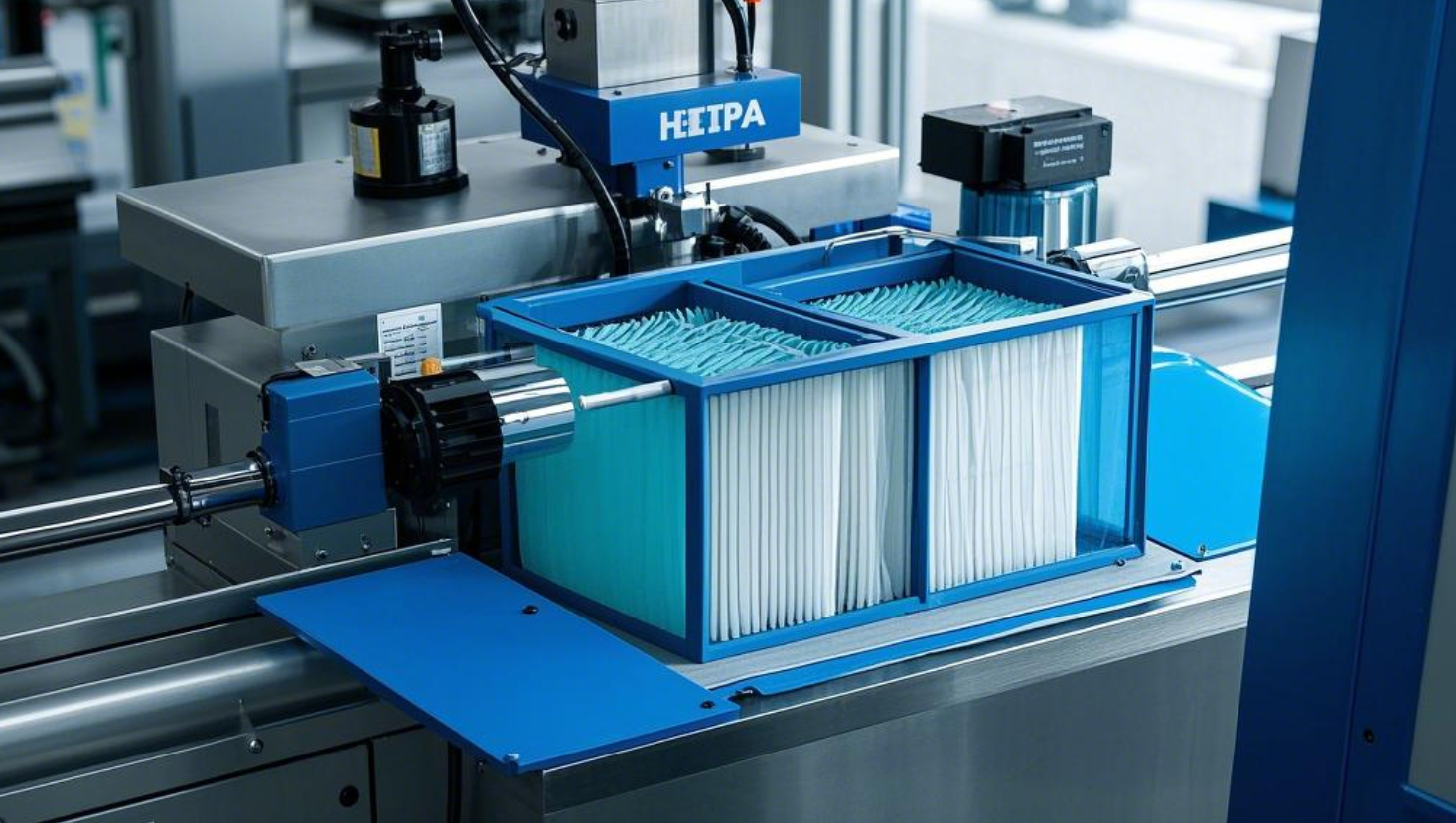
In the ever-evolving landscape of air filtration technology, the mini pleat HEPA filter machine stands out as a revolutionary advancement. As industries strive for higher efficiency and cleaner environments, understanding the intricacies of this machine becomes imperative for factories, channel dealers, and distributors. This article delves deep into what a mini pleat HEPA filter machine is, its significance, and how it reshapes the standards of air filtration.
High-Efficiency Particulate Air (HEPA) filters are renowned for their ability to trap at least 99.97% of airborne particles as small as 0.3 microns. Traditionally used in medical facilities, cleanrooms, and laboratories, HEPA filters have now found applications in various commercial and industrial settings. The demand for Commercial HEPA filter solutions has surged as businesses recognize the importance of maintaining contaminant-free environments.
Initially developed during the 1940s for nuclear research, HEPA filters have undergone significant transformations. The introduction of mini pleat technology marked a pivotal moment, enhancing the filter's efficiency without compromising airflow. This innovation has been a game-changer for industries requiring high-performance filtration systems within compact spaces.
A mini pleat HEPA filter machine is specialized equipment designed to manufacture mini pleat HEPA filters. Unlike traditional deep pleat filters, mini pleat filters feature a higher number of pleats per inch, resulting in a larger filtration area within the same volume. This machine precisely folds the filter media into tight pleats, ensuring uniformity and optimal performance.
The machine comprises several critical components, including an unwinding system for the filter media, a pleating mechanism, separators (often made of hot-melt adhesives), and a cutting unit. The process begins with the filter media being fed into the machine, where it's pleated using specialized blades or rollers. The application of separators maintains the pleat spacing, crucial for preventing airflow blockage and ensuring filter longevity.
The mini pleat HEPA filter machine offers several advantages:
Increased Filtration Area: With more pleats, the surface area expands, enhancing the filter's capacity to trap particles.
Compact Design: Ideal for applications where space is limited, without sacrificing filtration efficiency.
Energy Efficiency: Lower resistance to airflow reduces energy consumption in HVAC systems.
Consistency: Automated pleating ensures uniformity across all filters produced.
Mini pleat HEPA filters are increasingly popular in commercial HVAC systems. Their enhanced efficiency and compact size make them ideal for modern buildings aiming to improve air quality while minimizing energy costs. Industries such as pharmaceuticals, food processing, and microelectronics benefit significantly from integrating these filters.
Indoor air quality is a critical factor affecting occupant health and productivity. Mini pleat HEPA filters effectively remove pollutants like dust, pollen, mold spores, and even some bacteria and viruses. As a result, businesses are turning to reliable HEPA Filter suppliers to upgrade their filtration systems.
While both deep pleat and mini pleat filters are designed to achieve high levels of air filtration, there are notable differences:
Deep pleat filters have wider pleats and generally require separators made of aluminum or other materials to maintain spacing. They are rugged and suitable for applications with higher airflow rates. However, their larger size can be a drawback in space-constrained environments.
Mini pleat filters, produced by the mini pleat HEPA filter machine, have narrower pleats with hot-melt separators. They offer a higher filtration area within a smaller footprint, making them ideal for compact systems. Businesses looking to optimize space without compromising on air quality often choose Mini Pleat filters.
The production of mini pleat HEPA filters involves several meticulous steps to ensure the highest quality standards:
The efficacy of a HEPA filter largely depends on the quality of the filter media, typically made from glass fibers. Manufacturers source premium materials to achieve desired filtration levels, such as H13 or H14 grades as per EN1822 standards.
Using the mini pleat HEPA filter machine, the media is folded into tight pleats, and hot-melt adhesives are applied as separators. This process ensures precise pleat spacing, which is crucial for maximizing airflow and filter lifespan.
The pleated media is then installed into a frame, which can be made from materials like aluminum, galvanized steel, or plastic. The frame provides structural support and facilitates easy installation into HVAC systems.
Adhering to international standards is essential for HEPA filters for commercial HVAC systems. Manufacturers conduct rigorous testing to certify that each filter meets efficiency and airflow resistance specifications.
Common testing methods include the use of particle counters and photometers to measure penetration and efficiency. Filters are challenged with aerosolized particles to simulate real-world conditions, ensuring reliability upon deployment.
Compliance with standards such as EN1822 and ISO29463 is mandatory. These standards outline the classification, performance testing, and labeling requirements for HEPA filters, providing assurance to distributors and end-users of the product's quality.
For factories, dealers, and distributors, selecting a reputable supplier is crucial. A reliable supplier not only provides high-quality products but also offers technical support and after-sales service.
When evaluating suppliers, consider the following:
Experience and Expertise: Suppliers with a long-standing presence in the industry often have a proven track record.
Product Range: A diverse product portfolio indicates the ability to meet various filtration needs.
Certifications: Compliance with international standards reflects commitment to quality.
Customer Support: Technical assistance and responsive service are invaluable.
Collaborating with a seasoned HEPA Filter supplier can significantly enhance the efficiency and reliability of air filtration systems.
Technological innovations continue to refine the capabilities of mini pleat HEPA filter machines. Automation, precision engineering, and integration with Industry 4.0 principles are shaping the future of filter manufacturing.
Modern machines incorporate programmable logic controllers (PLCs) and human-machine interfaces (HMIs), enabling precise control over the pleating process. Automation reduces human error, increases productivity, and ensures consistent quality.
Research into new filter media materials aims to enhance filtration efficiency while reducing pressure drop. Nanofiber technologies and composite materials are at the forefront of these developments, promising filters that are both effective and energy-efficient.
Several industries have successfully implemented mini pleat HEPA filters to address specific challenges.
A pharmaceutical company faced contamination issues in their cleanrooms. By installing mini pleat HEPA filters, they achieved a 99.99% reduction in particulate contamination, ensuring compliance with stringent industry regulations.
In electronics manufacturing, airborne particles can cause defects in sensitive components. Upgrading to mini pleat filters enhanced the air purity, leading to a 15% decrease in product failure rates.
Regular maintenance is essential to ensure the longevity and performance of HEPA filters. Factors such as operating environment, airflow rates, and particle load influence the filter's lifespan.
Signs that a filter may need replacing include increased pressure drop across the filter, reduced airflow, and visible signs of damage or contamination. Implementing a maintenance schedule helps in proactive replacement, avoiding system downtime.
Disposing of used filters requires adherence to environmental regulations. Some components can be recycled, while others must be treated as hazardous waste, especially if they contain harmful contaminants.
As global awareness about air quality grows, the demand for advanced filtration solutions is set to increase. Innovations in filter media, machine automation, and smart system integration will drive the industry forward.
Future HVAC systems may incorporate sensors and IoT technology to monitor filter performance in real-time. This data-driven approach allows for predictive maintenance and energy optimization.
Eco-friendly materials and manufacturing processes will become more prominent. The development of biodegradable filter media and energy-efficient machinery aligns with global sustainability goals.
The mini pleat HEPA filter machine is a pivotal innovation in the air filtration industry. By producing filters that are both highly efficient and compact, it addresses the evolving needs of factories, dealers, and distributors. Understanding this technology equips industry players with the knowledge to make informed decisions, improve air quality, and contribute to healthier environments. As advancements continue, staying abreast of these developments will be essential for those committed to excellence in air filtration.
For high-quality mini pleat HEPA filters and expert guidance, consider exploring options from leading manufacturers like Deep Pleat HEPA Filter specialists who offer a range of products tailored to commercial needs.


