


Views: 0 Author: Site Editor Publish Time: 2025-01-14 Origin: Site


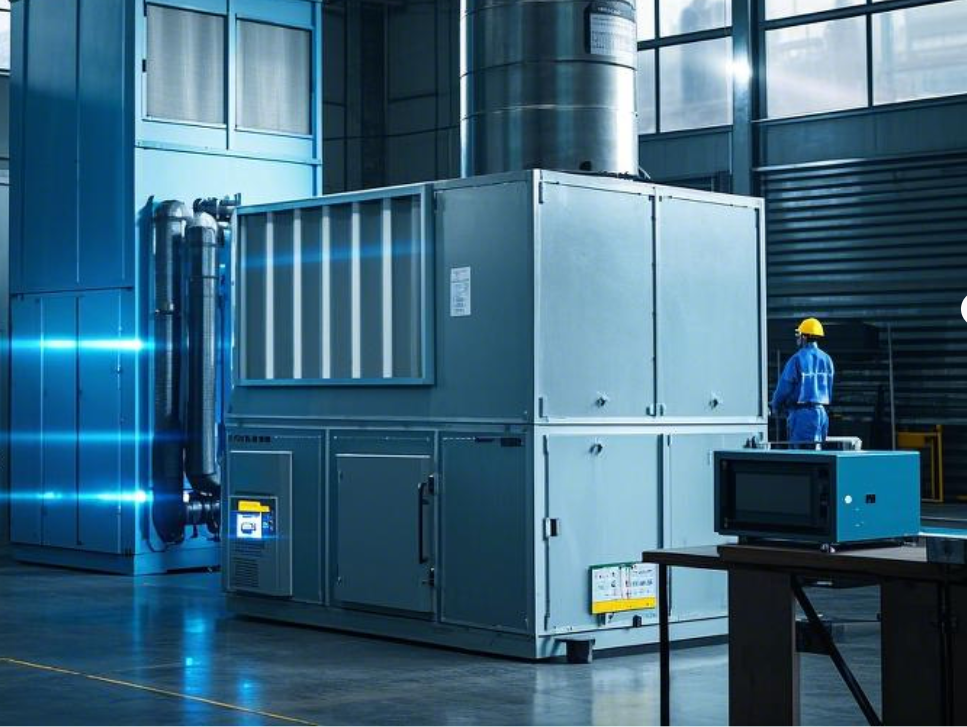
In today's industrial landscape, maintaining optimal air quality is not just a regulatory requirement but also a critical factor for worker health and process efficiency. High volume air filtration systems have become indispensable in factories and commercial environments where airborne contaminants can pose significant risks. These systems are designed to handle large volumes of air, removing particulates, dust, and other pollutants to ensure a clean and safe working environment.
Understanding the intricacies of these systems is essential for factory owners, channel vendors, and distributors who aim to provide the best solutions for air purification. This article delves deep into what constitutes a high volume air filtration system, exploring its components, types, applications, and benefits. By the end, you'll have a comprehensive understanding of these systems and how they can be optimized for industrial use.
Moreover, we'll highlight key products like the Industrial air Purifier for dust that play a pivotal role in enhancing air quality. These insights aim to equip you with the knowledge to make informed decisions when selecting and implementing air filtration solutions in your facilities.
A high volume air filtration system is a robust setup designed to process large quantities of air, effectively removing contaminants such as dust, fumes, smoke, and microscopic particles. These systems are engineered to handle the rigorous demands of industrial and commercial environments where standard air purifiers are insufficient.
At its core, a high volume air filtration system comprises multiple stages of filtration, each targeting different sizes and types of pollutants. The initial stage often involves pre-filters that capture larger particles, followed by more sophisticated filters like HEPA (High-Efficiency Particulate Air) filters that trap smaller particles down to 0.3 microns with an efficiency of 99.97% or higher.
These systems are critical in environments where air quality can directly impact product quality, machinery performance, and human health. For instance, in manufacturing plants, airborne dust can interfere with delicate equipment or contaminate products. Similarly, in commercial settings like hospitals or laboratories, clean air is essential to prevent the spread of airborne diseases.
Understanding the components of a high volume air filtration system is crucial for effective implementation and maintenance. The primary components include:
Pre-filters are the first line of defense, capturing large particles like dust and debris. Products such as the Reusable Aluminum Frame Metal Mesh Panel Pre-Filter are excellent examples. These filters extend the life of subsequent filters by preventing premature clogging.
HEPA filters are the heart of any high-efficiency filtration system. The High Temperature Resistant Air HEPA Filter is designed for environments with extreme conditions. These filters capture microscopic particles, including bacteria and viruses, ensuring the highest air purity levels.
Activated carbon filters remove odors and gaseous pollutants through adsorption. The Honeycomb Activated Carbon Air Filter offers a large surface area for effective gas absorption, making it ideal for industrial applications where chemical fumes are present.
Air purifiers are complete units that incorporate multiple filters and fan systems. Commercial air purifiers are designed for large spaces, providing comprehensive air cleaning capabilities. They are essential in maintaining air quality in commercial and industrial settings.
High volume air filtration systems come in various configurations to suit different industrial needs. Some of the most common types include:
V-Bank Combined HEPA air filters are designed to maximize airflow while maintaining high filtration efficiency. Their V-shaped configuration increases the filter surface area, allowing for higher dust holding capacity and longer service life. These filters are ideal for facilities requiring continuous, high-volume air purification without frequent maintenance interruptions.
Industrial air purifiers for dust are robust units capable of handling large amounts of particulate matter. They are essential in industries such as woodworking, metalworking, and textiles where dust generation is significant. These purifiers help in reducing respiratory hazards and maintaining a cleaner work environment.
Commercial air purifiers are designed for large indoor spaces like office buildings, hospitals, and shopping centers. They focus on improving indoor air quality to enhance occupant comfort and health. These systems often incorporate advanced technologies like UV-C light and ionization in addition to traditional filtration methods.
High volume air filtration systems find applications across a multitude of industries due to their versatility and efficiency. Some key applications include:
In manufacturing environments, airborne contaminants can affect both product quality and worker safety. Implementing an Industrial air filtration system ensures that dust and particulate matter are effectively removed from the air. This is especially critical in electronics manufacturing, where a single particle can compromise sensitive components.
Hospitals and pharmaceutical plants require stringent air quality control to prevent contamination and spread of pathogens. High-efficiency filters like HEPA and ULPA are standard in these settings. They help in maintaining sterile environments essential for patient care and pharmaceutical production.
Air purity is vital in the food and beverage industry to ensure product safety and compliance with health regulations. Filtration systems help in eliminating contaminants that could spoil products or pose health risks to consumers. They also protect against cross-contamination during processing and packaging.
Investing in high volume air filtration systems offers numerous benefits that extend beyond mere compliance with health and safety regulations.
By effectively removing a wide range of contaminants, these systems significantly improve indoor air quality. This leads to a healthier workforce, reduced absenteeism, and increased productivity. Clean air also contributes to better morale and overall job satisfaction among employees.
Industries are subject to strict air quality regulations. High volume air filtration systems ensure that factories and commercial facilities meet or exceed these standards, thereby avoiding potential fines and legal issues. Compliance also enhances a company's reputation among clients and regulatory bodies.
Airborne particles can cause significant wear and tear on machinery and sensitive equipment. By filtering out these particles, companies can extend the life of their equipment, reduce maintenance costs, and prevent unexpected downtime due to equipment failure.
Selecting the appropriate high volume air filtration system requires careful consideration of various factors, including the specific contaminants present, the volume of air that needs to be filtered, and the environmental conditions of the facility.
Begin by conducting a thorough air quality assessment to identify the types and concentrations of pollutants. This will help in determining the necessary filtration efficiency and filter types. For example, facilities dealing with chemical fumes might require activated carbon filters in addition to particulate filters.
The system must be capable of handling the required air volume to maintain optimal air quality continuously. Oversizing or undersizing the system can lead to inefficiencies and increased operational costs. Consulting with experts and manufacturers can provide guidance in selecting appropriately sized systems.
Consider the long-term operational and maintenance costs of the system. High-quality filters may have higher upfront costs but often offer better longevity and efficiency, leading to cost savings over time. Options like the Washable Dual Rack Foldaway Pre-filter can reduce replacement frequency and maintenance efforts.
For businesses that require high-efficiency filtration on a temporary basis, Industrial HEPA filter rental services offer a flexible solution. These services provide state-of-the-art filtration equipment without the need for a significant capital investment. Rentals are ideal for short-term projects, renovation work, or during peak production periods when air quality requirements intensify.
Renting equipment also allows companies to test different types of filtration systems to determine which one best suits their long-term needs. Service providers often include maintenance and support as part of the rental agreement, ensuring optimal performance throughout the rental period.
Real-world applications of high volume air filtration systems illustrate their importance and efficacy. For example, a large manufacturing plant dealing with metal fabrication faced challenges with airborne metallic particles affecting both equipment and worker health. By installing a comprehensive industrial air filtration system featuring V-Bank Combined HEPA air filters, the plant saw a substantial reduction in airborne contaminants. This led to increased equipment lifespan and a healthier work environment.
Another example is a commercial office building struggling with indoor air quality complaints from tenants. The building management implemented commercial air purifiers throughout the facility, which resulted in improved air quality, higher tenant satisfaction, and reduced energy costs due to the efficiency of the new systems.
The field of air filtration is continually evolving, with new technologies emerging to address increasingly complex air quality challenges. Innovations such as electrostatic filters, photocatalytic oxidation, and advanced monitoring systems are becoming more prevalent. These technologies aim to improve filtration efficiency, reduce energy consumption, and provide real-time data on air quality.
Integration with building automation systems allows for smarter control of air filtration based on occupancy and pollution levels. Additionally, the use of sustainable materials in filter manufacturing is gaining traction, aligning with global efforts towards environmental sustainability.
High volume air filtration systems are essential components in maintaining safe, efficient, and compliant industrial and commercial environments. Understanding the various types of systems, their components, and applications enables factories, channel vendors, and distributors to make informed decisions that enhance air quality and operational efficiency.
Investing in quality filtration solutions like the V-Bank Combined HEPA air filter not only protects human health and equipment but also contributes to sustainable practices and regulatory compliance. As air quality standards become more stringent and awareness of environmental impacts grows, adopting advanced air filtration technologies will remain a critical aspect of industrial operations.
By staying abreast of technological advancements and continually assessing air quality needs, businesses can ensure they provide the safest and most efficient environments for their employees and processes. High volume air filtration systems are not just an operational necessity but a strategic investment in a company's longevity and success.


