


Views: 0 Author: Site Editor Publish Time: 2025-08-28 Origin: Site


In the realm of air filtration, the choice between a Mini-pleat HEPA Filter and standard filters can significantly impact the quality of air purification. The Mini-pleat HEPA Filter, known for its compact design and high efficiency, is increasingly favored in environments demanding superior air quality. However, understanding its advantages over standard filters requires a comprehensive examination of their performance, efficiency, and application contexts. This article delves into the intricacies of these filters, providing insights into which might be the right choice for various needs. For those interested in exploring more about Mini-pleat HEPA Filters, this guide offers a detailed analysis.
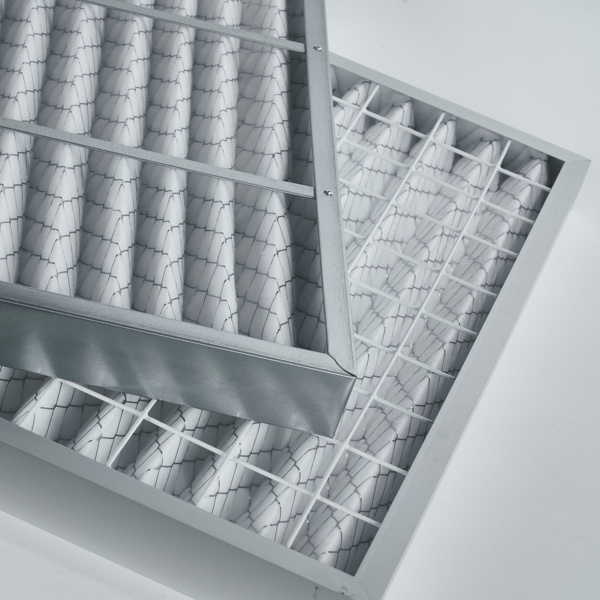
HEPA, or High Efficiency Particulate Air filters, were originally developed during World War II to protect against chemical warfare agents. These filters are designed to capture at least 99.97% of airborne particles that are 0.3 microns in diameter, a size often considered the most challenging to filter. The effectiveness of HEPA filters lies in their ability to trap a wide range of particle sizes, from large dust particles to microscopic allergens and pathogens.
The construction of HEPA filters typically involves a dense mat of randomly arranged fibers, usually composed of fiberglass or synthetic materials. The efficiency of these filters is not solely dependent on the size of the particles but also on the velocity of the air passing through them. The mechanisms of interception, impaction, and diffusion all play crucial roles in the filtration process.
HEPA filters are generally made from fiberglass or nonwoven fabric materials like polypropylene. Fiberglass is known for its high filtration efficiency but also has a higher pressure drop, meaning it can restrict airflow more than other materials. Nonwoven fabrics, on the other hand, often incorporate a static charge to enhance particle capture while maintaining a lower pressure drop. This balance is crucial in applications where maintaining airflow is as important as filtration efficiency.
Mini-pleat HEPA Filters are a variant of the standard HEPA filters, designed to offer high efficiency in a more compact form. The "mini-pleat" design refers to the tightly packed pleats of filter media, which increase the surface area available for filtration without significantly increasing the filter's size. This design allows for greater dust holding capacity and longer service life compared to traditional HEPA filters.
The mini-pleat design is particularly advantageous in environments where space is limited but high filtration efficiency is required. These filters are commonly used in cleanrooms, medical facilities, and other critical environments where maintaining air purity is essential. Their ability to capture particles as small as 0.3 microns makes them suitable for applications requiring stringent air quality standards.
The primary advantage of Mini-pleat HEPA Filters is their compact size combined with high efficiency. The increased surface area of the pleated media allows for more particles to be captured without increasing the resistance to airflow. This results in a lower pressure drop, which is beneficial for maintaining efficient air circulation in HVAC systems.
Moreover, the mini-pleat design enhances the filter's durability and lifespan, reducing the frequency of replacements and maintenance costs. This makes them a cost-effective solution for facilities that require continuous high-level air purification.
For those looking for top-tier air filtration, our Mini-pleat HEPA Filter offers the ideal solution. Its compact, high-efficiency design ensures superior filtration with minimal airflow resistance, making it perfect for demanding environments such as hospitals, cleanrooms, and industrial applications. By investing in this filter, you can achieve optimal air quality and long-lasting performance, all while benefiting from lower maintenance costs due to its enhanced dust-holding capacity.
Standard air filters, often used in residential and commercial HVAC systems, vary widely in terms of efficiency and construction. These filters are typically rated using the Minimum Efficiency Reporting Value (MERV) scale, which ranges from 1 to 16. Higher MERV ratings indicate better filtration efficiency, with ratings of 13 to 16 being comparable to HEPA-level performance.
Standard filters are generally less expensive than HEPA filters and are suitable for applications where the air quality requirements are not as stringent. They are effective at removing larger particles such as dust, pollen, and pet dander but may not capture smaller particles like smoke, bacteria, or viruses as effectively as HEPA filters.
While standard filters are adequate for many applications, they have limitations in environments where air purity is critical. Their lower efficiency in capturing smaller particles can be a drawback in settings such as hospitals or laboratories. Additionally, standard filters may require more frequent replacements due to their lower dust holding capacity, leading to higher maintenance costs over time.
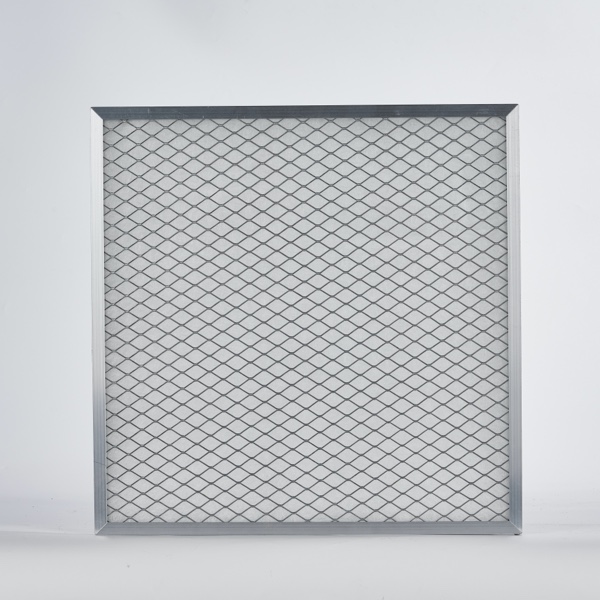
When comparing Mini-pleat HEPA Filters to standard filters, several factors must be considered, including filtration efficiency, cost, maintenance, and application suitability. Mini-pleat HEPA Filters offer superior efficiency, capturing up to 99.97% of particles as small as 0.3 microns. This makes them ideal for environments requiring high air quality standards, such as cleanrooms and healthcare facilities.
In contrast, standard filters, while more affordable, may not provide the same level of particle capture, particularly for smaller particles. However, they are suitable for general use in residential and commercial settings where air quality demands are less stringent.
The initial cost of Mini-pleat HEPA Filters is typically higher than that of standard filters. However, their longer lifespan and reduced maintenance requirements can offset this cost over time. The mini-pleat design allows for a greater dust holding capacity, meaning these filters need to be replaced less frequently, resulting in lower long-term costs.
Standard filters, while cheaper upfront, may incur higher maintenance costs due to their shorter lifespan and the need for more frequent replacements. This can be a significant consideration for facilities looking to balance cost with air quality requirements.
Choosing between Mini-pleat HEPA Filters and standard filters depends largely on the specific air quality needs of the environment. For applications requiring high-efficiency filtration and minimal maintenance, Mini-pleat HEPA Filters are the superior choice. They offer exceptional particle capture and durability, making them ideal for critical environments.
However, for general use in residential or commercial settings, standard filters may suffice, offering a cost-effective solution for less demanding air quality requirements. Ultimately, the decision should be guided by the specific needs of the application, balancing efficiency, cost, and maintenance considerations. For more information on different types of Air Filters, exploring various options can provide further clarity.
1. What is the primary difference between Mini-pleat HEPA Filters and standard filters?
Mini-pleat HEPA Filters offer higher efficiency in capturing smaller particles due to their compact pleated design, making them suitable for environments with stringent air quality requirements.
2. Are Mini-pleat HEPA Filters more expensive than standard filters?
Yes, they are generally more expensive initially, but their longer lifespan and reduced maintenance needs can make them more cost-effective over time.
3. Can standard filters effectively remove viruses and bacteria?
Standard filters may not capture smaller particles like viruses and bacteria as effectively as HEPA filters, which are designed for high-efficiency particle capture.
4. How often should Mini-pleat HEPA Filters be replaced?
The replacement frequency depends on the environment and usage, but they generally last longer than standard filters due to their higher dust holding capacity.
5. What are the benefits of using Mini-pleat HEPA Filters in cleanrooms?
They provide superior air quality by capturing a wide range of particle sizes, ensuring a contaminant-free environment crucial for sensitive processes.
6. Are there any limitations to using Mini-pleat HEPA Filters?
While highly efficient, they may not be necessary for all applications, particularly where air quality demands are lower, making standard filters a more economical choice.
7. How do Mini-pleat HEPA Filters contribute to energy efficiency?
Their design allows for lower pressure drop, maintaining efficient airflow and reducing the energy required to circulate air through HVAC systems.


