


Views: 0 Author: Site Editor Publish Time: 2025-08-25 Origin: Site


In today's world, maintaining clean indoor air is more crucial than ever. With increasing awareness about air quality and its impact on health, the demand for efficient air filtration systems has surged. Among the various options available, the Mini-pleat HEPA Filter stands out as a superior choice. This article delves into why Mini-pleat HEPA filters are the best choice for clean indoor air, exploring their design, efficiency, and applications.
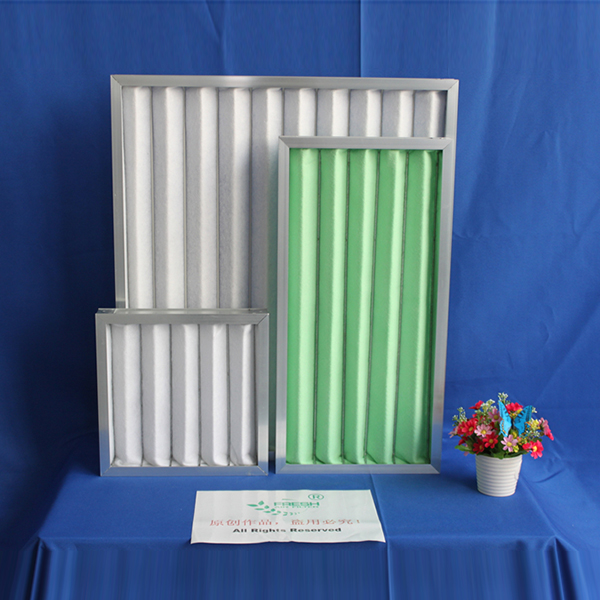
HEPA, an acronym for High Efficiency Particulate Air, refers to filters that can capture at least 99.97% of airborne particles as small as 0.3 microns. Originally developed during World War II, HEPA filters have become a standard in air purification due to their ability to trap fine particulates. The filter media is typically made from fiberglass or nonwoven fabric materials, each offering unique advantages in terms of efficiency and airflow resistance.
HEPA filters utilize a dense mat of fibers to capture particles through various mechanisms: interception, impaction, and diffusion. Fiberglass, known for its high efficiency, tends to have a higher pressure drop, whereas nonwoven fabrics like polypropylene offer a lower pressure drop with comparable efficiency. The choice of material impacts the filter's performance, particularly in applications requiring high airflow rates.
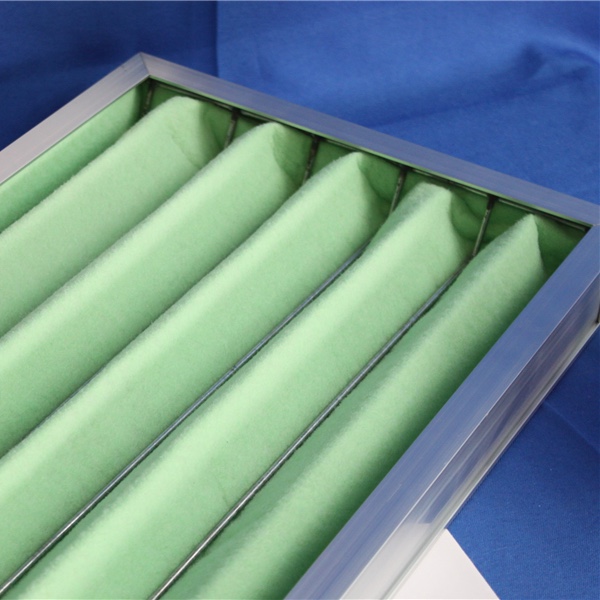
Mini-pleat HEPA filters enhance the traditional HEPA design by incorporating a pleated configuration that increases the surface area of the filter media. This design not only improves filtration efficiency but also reduces the pressure drop, allowing for better airflow. The mini-pleat configuration is particularly beneficial in environments where space is limited, yet high filtration efficiency is required.
For those looking to enhance their indoor air quality, our Mini-pleat HEPA Filter offers a superior solution. With its innovative design, it ensures optimal airflow while capturing 99.97% of particles as small as 0.3 microns. Whether you need it for residential, commercial, or industrial applications, this filter provides a balanced performance that meets high-efficiency standards and reduces energy consumption, making it a cost-effective investment.
Mini-pleat HEPA filters are versatile and find applications across various industries. In healthcare, they are essential for maintaining clean air in operating rooms and patient care areas. In the semiconductor industry, these filters prevent particulate contamination that can damage sensitive equipment. Additionally, they are used in HVAC systems to improve indoor air quality in commercial and residential buildings.
In healthcare settings, the need for clean air is paramount to prevent infections and ensure patient safety. Mini-pleat HEPA filters are used in air purification systems to remove airborne pathogens and allergens. Similarly, in cleanrooms, where even the smallest particles can compromise product quality, these filters are indispensable.
While there are various types of air filters available, such as ULPA and electrostatic filters, Mini-pleat HEPA filters offer a unique combination of high efficiency and low pressure drop. ULPA filters, for instance, capture smaller particles but at a higher pressure drop, making them less energy-efficient. On the other hand, electrostatic filters may not capture particles as effectively as HEPA filters.
One of the significant advantages of Mini-pleat HEPA filters is their energy efficiency. The reduced pressure drop translates to lower energy consumption, making them a cost-effective choice for long-term use. While the initial cost may be higher than standard filters, the savings in energy and maintenance costs make them a worthwhile investment.
In conclusion, Mini-pleat HEPA filters are an excellent choice for anyone looking to improve indoor air quality. Their superior design and efficiency make them suitable for a wide range of applications, from healthcare to industrial settings. By investing in these filters, you ensure a cleaner, healthier environment, reducing the risk of airborne diseases and improving overall well-being. For more information on air filters, visit Air Filters.
1. What is a Mini-pleat HEPA filter?
A Mini-pleat HEPA filter is a type of air filter that uses a pleated design to increase surface area, improving filtration efficiency and reducing pressure drop.
2. How does a Mini-pleat HEPA filter work?
It captures airborne particles through interception, impaction, and diffusion, utilizing a dense mat of fibers arranged in a pleated configuration.
3. Where are Mini-pleat HEPA filters used?
They are used in healthcare, cleanrooms, HVAC systems, and any setting requiring high air quality standards.
4. How do Mini-pleat HEPA filters compare to ULPA filters?
While ULPA filters capture smaller particles, Mini-pleat HEPA filters offer a better balance of efficiency and energy consumption.
5. Are Mini-pleat HEPA filters energy efficient?
Yes, their design reduces pressure drop, leading to lower energy usage compared to other high-efficiency filters.
6. How often should Mini-pleat HEPA filters be replaced?
Replacement frequency depends on usage and environment but typically ranges from 6 to 12 months.
7. Can Mini-pleat HEPA filters remove viruses?
Yes, they can capture particles smaller than 0.3 microns, including many viruses, through diffusion and interception mechanisms.


