


Views: 0 Author: Site Editor Publish Time: 2025-10-23 Origin: Site


In industrial operations, maintaining the purity of liquids, gases, and air is essential. Without proper filtration, contaminants can harm processes and products. One key solution used worldwide is the bag filter.
A bag filter captures contaminants through fabric bags, ensuring clean liquids and gases. In this article, we’ll explore what bag filters remove and how they help different industries.
A bag filter is a type of filtration system that utilizes a series of fabric bags housed within a metal or plastic structure to trap contaminants. These bags can be made of various materials, including polyester, polypropylene, or felt, and are designed to capture solid particles from liquids or gases. The bag filters are housed in filter vessels, and the liquids or gases flow through these bags, allowing contaminants to be trapped on the outside or inside of the fabric, depending on the design.
Key Components:
Filter Housing: A robust chamber that holds the filter bags in place.
Filter Media (Bag): The material that traps particles. Common materials include polyester, polypropylene, or nylon.
Outlet: Where the filtered liquid or gas exits the system, free from contaminants.
In a bag filtration system, the contaminated liquid or gas enters the filter housing and passes through the filter bag. The bag traps solid particles as the fluid flows through, allowing the clean fluid to exit the filter housing. The process is efficient and effective, depending on the bag's material, pore size, and the type of contaminants being removed.
Filtration Process:
Liquid or gas flows into the filter housing.
Contaminants are captured by the filter bag.
Clean liquid or gas exits the housing, leaving contaminants behind in the bag.

Bag filters are particularly effective at removing solid particles from liquids and gases. Common contaminants include:
Dust: Industrial dust from manufacturing, cement, and construction.
Sand: Found in water treatment processes.
Silt and Rust: Common in water treatment, as well as in industrial cooling systems.
Other Solid Particles: These could include metal shavings, particles from food processing, or dust from pharmaceutical manufacturing.
Impact on Industries:
Food Processing: Bag filters help maintain the purity of water, oils, and juices, ensuring products remain free of contaminants.
Water Treatment: Removing suspended solids like sand and silt from raw water ensures high-quality, potable water.
Pharmaceuticals: Bag filters ensure that the production of sterile medications is free from harmful particles that could affect product quality or safety.
In addition to solid particles, bag filters are also effective in removing liquid contaminants. Common examples include:
Dirt and Debris: Particles suspended in liquids, particularly in water treatment plants.
Oils and Chemicals: In industries like oil refining, bag filters remove oil particles from liquids, preventing contamination in subsequent processes.
By capturing these contaminants, bag filters help enhance the quality and usability of liquids in manufacturing and production processes.
Bag filters are also used to remove particulate matter from gas and vapor streams. Industries that generate exhaust gases or operate with airborne contaminants rely on bag filters to maintain air quality and prevent pollutants from being released into the atmosphere. Bag filters are highly effective in capturing:
| Particulate Matter | Dust and soot from industrial processes like power plants or metalworking. |
| Vapors and Fumes | Trapping harmful chemical vapors and fumes in pharmaceutical and chemical industries. |
In water treatment facilities, bag filters are used to remove suspended solids such as sand, silt, and organic material from both raw water and wastewater. They are essential in ensuring the water meets the required quality standards before entering the treatment or purification process.
In the oil and gas industry, bag filters are used to purify crude oil and to refine it into usable products. They remove contaminants such as dirt, sand, and other solid particles from hydraulic fracturing fluids, drilling mud, and refined oils.
Bag filters ensure the cleanliness and safety of water, oils, and syrups in food production. By removing dust, bacteria, and other impurities, bag filters help maintain the quality and safety of products in this highly regulated industry.
In pharmaceutical and chemical manufacturing, bag filters play a crucial role in maintaining product purity and adhering to stringent regulatory standards. They remove both solid and liquid contaminants, ensuring the integrity and safety of the final products.
Bag filters are also used in boilers and power plants to capture particulate matter from exhaust gases. By preventing the release of pollutants into the environment, bag filters help industries comply with environmental regulations and improve air quality.
Many industrial applications, including cement manufacturing, woodworking, and textile production, generate large amounts of dust. Bag filters effectively capture and remove these fine particles, preventing them from damaging equipment or polluting the air.
Some industrial processes produce abrasive or sticky particles that are difficult to filter. Bag filters are designed to handle these materials efficiently. For example, in the wood industry, bag filters capture wood dust, while in the food industry, they remove sticky residues from syrups and oils.
Certain industries, such as oil refining and chemical processing, require specialized bag filters designed to absorb oils or capture hazardous chemicals. These filters help prevent contamination and ensure that the processed materials meet the required purity standards.
Bag filters are known for their high dirt-holding capacity, which allows them to handle large volumes of contaminated liquid or gas. This efficiency helps reduce the frequency of filter changes, making them a reliable option for high-flow applications.
Compared to other filtration methods, bag filters are relatively low-cost to install and maintain. Their long service life and minimal maintenance requirements contribute to significant cost savings in the long run.
Bag filters are adaptable and can be used in a wide range of industries, from water treatment and food processing to oil refining and air pollution control. Their versatility makes them an ideal choice for many filtration applications.
Many bag filters are reusable, making them an environmentally friendly option for businesses looking to reduce waste and operating costs. By choosing reusable bags, industries can minimize their environmental impact while maintaining high filtration efficiency.
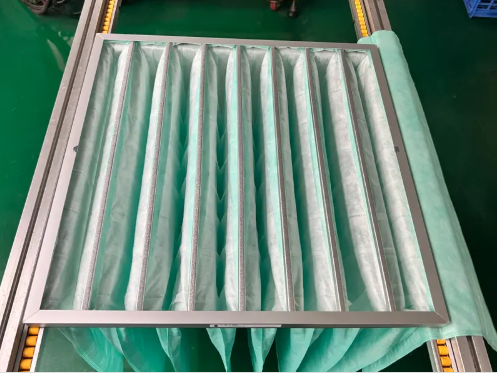
To ensure optimal performance, bag filters should be regularly inspected. Monitoring pressure gauge readings and inspecting the filter bags for signs of wear can help detect potential issues before they lead to system failure.
Over time, filter bags accumulate contaminants and lose their effectiveness. It’s important to clean or replace the bags based on usage and the type of contaminants being filtered. Depending on the application, bags may need to be replaced periodically to maintain filtration efficiency.
Prevent Clogging: Regularly clean filter bags to prevent clogging, which can lead to reduced filtration efficiency and system downtime.
Check Bag Seal Integrity: Ensure that the seals around the filter bags are intact to prevent leaks and maintain system pressure.
Monitor Operating Conditions: Maintain the right pressure and flow rate to avoid stressing the filter bags and prolong their service life.
Bag filters are essential for various industrial filtration systems. They efficiently remove contaminants such as dust, sand, and oils, maintaining clean environments and protecting equipment. When choosing a bag filter, consider factors like contaminant type, efficiency, and compatibility. Fresh Filter offers reliable filtration solutions, ensuring optimal performance and value for diverse applications.
A: A Bag Filter is a filtration device that uses fabric bags to capture solid particles from liquids or gases. It's commonly used in various industries to maintain clean environments and protect equipment.
A: A Bag Filter removes solid contaminants like dust, sand, silt, rust, and other particles from liquids or gases. It helps industries ensure product quality and system efficiency.
A: Bag Filters work by allowing contaminated liquids or gases to pass through fabric bags. The particles get trapped inside or outside the bag, while clean fluid exits the system.
A: Bag Filters are crucial for maintaining equipment longevity, improving product quality, and ensuring compliance with environmental standards by removing harmful particles from liquids and gases.
A: Bag Filters can remove dust, dirt, oils, sand, silt, rust, and other solid contaminants. These filters are versatile and used across multiple industries like water treatment and food processing.
A: Replacement frequency depends on the contaminants and flow rate. Regular inspection of the Bag Filter is recommended to ensure optimal performance and prevent clogging.
