


Views: 0 Author: Site Editor Publish Time: 2026-09-07 Origin: Site


Industrial and commercial air purification systems face a persistent engineering challenge. Facility managers must achieve high-efficiency gas-phase filtration without introducing system-crippling pressure drops. Legacy filtration methods force a difficult compromise. High-volume, low-concentration (HVLC) organic waste gas systems require adequate volatile organic compound (VOC) removal and effective odor control. However, achieving this with traditional media often leads to excessive fan energy consumption and rapid equipment wear.
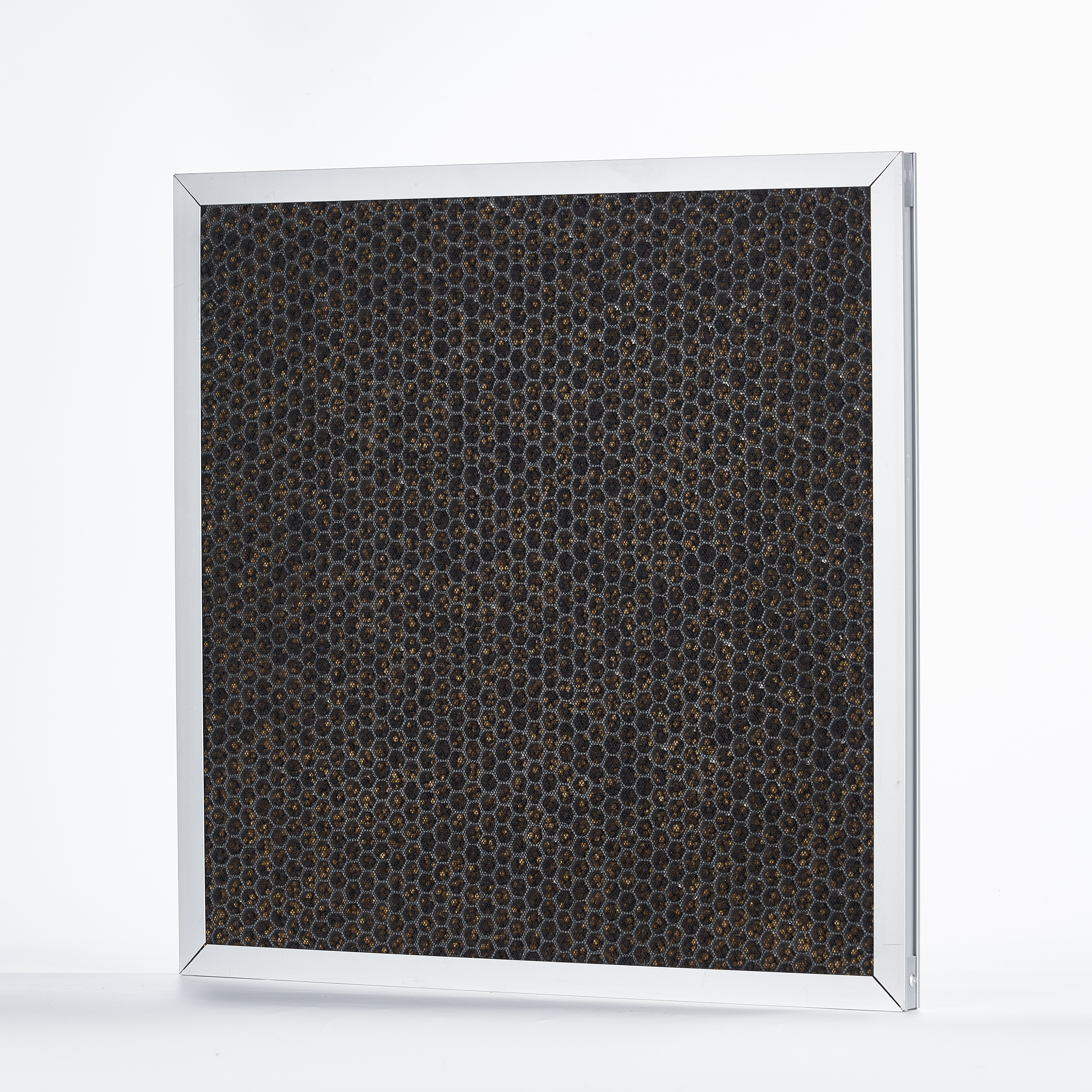
The structural geometry of the honeycomb activated carbon filter provides a definitive solution. It balances aerodynamic efficiency with a massive active surface area. This unique design replaces tortuous airflow paths with straight, parallel channels. Air moves smoothly through the filter while still making direct contact with the porous carbon walls. This framework allows engineers to meet strict environmental compliance standards across factories, commercial facilities, and high-end residential systems without overloading blower motors.
Aerodynamic Efficiency: Honeycomb structures drastically reduce wind resistance compared to packed beds, lowering energy costs and fan wear in high-volume systems.
Application Sweet Spot: Optimal for high-volume, low-concentration (HVLC) organic waste gas purification, Fan Filter Units (FFUs), and commercial HVAC integration targeting fumes, odors, and chemical pollutants.
Media Comparison: Outperforms standard impregnated pads in lifespan, while offering superior airflow dynamics compared to traditional granular activated carbon media.
Specification Criteria: Selection must be dictated by specific iodine values, Carbon Tetrachloride (CTC) adsorption rates, manufacturing methods (extruded vs. compressed), and environmental factors like relative humidity (requiring water-resistant variants).
Manufacturing processes directly dictate the performance of carbon blocks in the field. Standard extrusion pushes a wet mixture of carbon powder and clay binders through a metal die. This creates the basic cellular shape but often results in a brittle final product where the binder material blocks a portion of the carbon's micropores. High-quality compressed or molded honeycomb carbon undergoes a more rigorous mechanical process. Manufacturers compress the raw material under extreme hydraulic pressure before the curing phase. This method significantly increases structural durability and carbon density per cubic inch. Denser blocks resist crumbling during transport, handling, and installation in tight filter housings.
The primary mechanical advantage lies in fluid dynamics. Laminar airflow travels through uniform, parallel honeycomb channels. This straight-line movement minimizes turbulence and boundary layer separation. Traditional packed beds force air through a tortuous, unpredictable path around irregular granules. That chaotic movement creates massive wind resistance, measured as static pressure drop in inches of water gauge (in. w.g.). Honeycomb structures eliminate this aerodynamic bottleneck. Fans operate at lower speeds while delivering the exact same volumetric airflow. This aerodynamic profile prevents system choking in high-velocity exhaust stacks and allows existing ventilation infrastructure to handle gas-phase filtration without requiring motor upgrades.
Filtration relies on two distinct mechanisms: physical adsorption and chemisorption. The microporous structure of the carbon block acts as a molecular trap. Physical adsorption captures pollutants in tiny pores using Van der Waals forces, holding them securely without altering their chemical state. Chemisorption involves active chemical reactions that permanently bind specific reactive gases to the media, often requiring specialized impregnations like potassium permanganate for targeted removal. Both mechanisms require adequate contact between the contaminated air and the carbon surface.
Engineers must balance air velocity with channel density to achieve proper kinetics. Velocity is measured in cubic feet per minute (CFM) or cubic meters per hour (CMH). Channel density is measured in cells per square inch (CPSI), typically ranging from 50 CPSI for heavy industrial exhaust to 400 CPSI for precision cleanroom applications. Higher CPSI increases the available surface area but slightly raises aerodynamic resistance. The critical metric for system design is residence time, also known as dwell time. Contaminated air must remain inside the channel long enough for gas molecules to diffuse out of the airstream and into the carbon pores. Effective neutralization of chemical pollutants like formaldehyde, benzene, toluene, and ammonia requires precise dwell time calculations, usually targeting between 0.1 and 0.5 seconds depending on the target gas concentration. Moving air too fast results in bypass, where pollutants exit the exhaust stack untreated.
Target Pollutant | Molecular Weight | Recommended Dwell Time (Seconds) | Adsorption Difficulty |
|---|---|---|---|
Toluene | 92.14 g/mol | 0.10 - 0.15 | Low |
Benzene | 78.11 g/mol | 0.15 - 0.20 | Moderate |
Formaldehyde | 30.03 g/mol | 0.25 - 0.35 | High (Requires Impregnation) |
Ammonia | 17.03 g/mol | 0.30 - 0.40 | High (Requires Impregnation) |
Packed beds utilize loose carbon particles housed in V-bank trays or deep cylindrical canisters. They offer the maximum carbon mass per cubic foot of filter volume. This extreme density makes granular activated carbon media ideal for high-concentration environments. Heavy-duty industrial scrubbing, chemical manufacturing exhaust, and severe chemical spill containment rely on this sheer mass to absorb massive pollutant loads before saturation occurs.
The trade-offs for this capacity are severe. Granular beds create massive pressure drops, often exceeding 1.5 in. w.g. at standard face velocities. Systems require high-static-pressure blowers to force air through the dense material. Loose granules are also highly susceptible to channeling. As equipment vibrates, the carbon settles, creating empty voids at the top of the filter trays. Air finds this path of least resistance, bypassing the carbon entirely. Furthermore, the friction between loose particles causes them to shed fine carbon dust downstream, mandating the installation of secondary particulate filters to protect sensitive equipment.
Panel filters offer maximum convenience for facility maintenance teams. They easily retrofit into standard 1-inch, 2-inch, or 4-inch HVAC tracks without requiring any structural system modifications. Their low initial deployment barrier makes them highly suitable for residential air purifiers, office buildings, or light commercial odor control. Maintenance personnel can swap them out in seconds during routine HVAC servicing.
The limitations stem directly from their physical construction. An activated carbon panel air filter typically utilizes synthetic non-woven media impregnated with fine carbon dust or crushed granules. This manufacturing method results in a very low total carbon mass. The adhesive used to bind the carbon to the synthetic fibers also blocks a significant portion of the available micropores. When exposed to continuous fumes or high VOC levels, the media reaches rapid saturation. Facility managers face frequent replacement cycles, making these panels entirely impractical for heavy industrial applications or continuous fume extraction.
Honeycomb blocks bridge the engineering gap between total carbon mass and aerodynamic airflow. They provide near-granular adsorption capacity without the crippling static pressure penalty associated with packed beds. A Honeycomb Activated Carbon Filter delivers the low-pressure-drop characteristics required for sensitive ventilation networks. Engineers specify them for inline HVAC networks, cleanroom FFUs, and scalable deployments where maintaining specific air exchange rates is non-negotiable. They perform exceptionally well from factory floors down to whole-home purification systems, offering a balanced, predictable performance curve.
Filtration Format | Static Pressure at 500 FPM | Carbon Density | Primary Use Case | Maintenance Frequency |
|---|---|---|---|---|
Granular Media | 1.2 - 2.0 in. w.g. | Maximum | Heavy industrial, chemical spills | Low (High Capacity) |
Panel Filter | 0.2 - 0.4 in. w.g. | Minimal | Residential, light commercial odors | High (Rapid Saturation) |
Honeycomb Block | 0.1 - 0.3 in. w.g. | High | HVLC exhaust, FFUs, commercial fumes | Medium (Balanced) |
Technical data sheets reveal the true capability of carbon media, moving beyond marketing claims into measurable physics. Iodine Value, measured in milligrams per gram (mg/g) under ASTM D4607 standards, indicates the micropore content of the carbon. High iodine values signify excellent capacity for trapping small molecules, light odors, and highly volatile compounds. Carbon Tetrachloride (CTC) percentage, measured under ASTM D3467, evaluates the overall porosity and capacity for larger, heavier VOCs. While CTC testing is being phased out in some regions due to the toxicity of the test chemical itself, it remains a global benchmark for carbon capacity.
Industrial-grade applications demand strict baseline metrics to ensure operational safety. A reliable honeycomb block should exhibit an iodine value exceeding 600 mg/g, though premium versions utilized in semiconductor manufacturing push past 800 mg/g. CTC activity should generally sit above 50%. Verifying these specific metrics ensures the equipment can efficiently remove harmful chemicals from the airstream rather than just masking mild nuisance odors.
Airflow resistance directly impacts facility power consumption and electrical infrastructure. High pressure drops force blower motors to work harder, drawing more amperage to maintain the required CFM. The lower initial resistance of honeycomb filters translates to immediate electrical load reduction. Systems utilizing variable frequency drive (VFD) fan motors benefit the most from this aerodynamic efficiency.
VFDs automatically spool down motor speeds in hertz (Hz) when system resistance is low. According to the fan affinity laws, power consumption is proportional to the cube of the fan speed. Because honeycomb channels maintain laminar flow and low static pressure, the VFD can maintain target CFM at a fraction of the RPM required for granular beds. This energy efficiency reduces the electrical load on the facility's breaker panels and extends the mechanical lifespan of the ventilation equipment by reducing bearing wear and belt tension.
Environmental conditions dictate the physical specification of the carbon block during the procurement phase. Standard honeycomb carbon performs well in climate-controlled indoor environments where temperature and moisture are regulated. However, it is highly prone to structural failure in high humidity. When standard blocks absorb excess moisture from the air, the clay binders soften, causing the block to deform, slump, and eventually collapse into the filter housing, creating massive bypass gaps.
Facilities must define relative humidity (RH) thresholds based on psychrometric data. When ambient air consistently exceeds 70% RH, engineers must upgrade to water-resistant or calcined honeycomb carbon. These specialized blocks undergo secondary high-temperature firing processes or chemical treatments. They maintain their rigid geometric structure even when exposed to heavy moisture, coastal fog, or outdoor exhaust conditions, ensuring continuous filtration integrity.
Microelectronics, semiconductor fabrication, and pharmaceutical manufacturing require pristine environments governed by strict ISO classifications. Cleanrooms utilize Fan Filter Units (FFUs) mounted in the ceiling grid to maintain strict particulate and chemical standards. Airborne molecular contamination (AMC) and equipment outgassing from plastics and solvents threaten semiconductor wafer yields and sterile compounding processes.
Honeycomb filters integrate seamlessly into FFU plenums above the HEPA filters. They capture trace AMC without disrupting the critical downward laminar flow of the cleanroom. Their rigid, compressed structure prevents carbon dust shedding, protecting the downstream HEPA or ULPA filters from premature blinding. This dual-stage approach ensures both particulate and gas-phase purity within the critical zone.
Industrial processes often generate massive volumes of exhaust air containing trace amounts of solvents. Paint booths emit toluene and isocyanates, printing facilities release methyl ethyl ketone (MEK), and chemical manufacturing plants vent various fugitive emissions. The sheer volume of air required to maintain safe lower explosive limits (LEL) makes traditional granular beds impossible to deploy due to static pressure limitations.
Engineers map large arrays of honeycomb blocks into the exhaust stream using modular V-bank housings. The low wind resistance allows massive CFM to pass through the array without requiring specialized high-pressure blowers. The carbon captures the low-concentration VOCs and industrial fumes before they exit the stack. This setup ensures environmental compliance with local emission regulations while utilizing standard industrial ventilation fans.
Urban commercial spaces face strict nuisance odor regulations enforced by local municipalities. Commercial kitchens, wastewater treatment facilities, and welding shops generate dense, continuous fumes. Mitigation is required to prevent complaints from neighboring properties and avoid costly operational fines.
Honeycomb carbon excels in these high-density environments. In commercial kitchens, they are placed downstream of grease baffles, UV lamps, and electrostatic precipitators to neutralize residual cooking odors and mercaptans. Wastewater facilities use them in scrubber towers to capture hydrogen sulfide. They handle continuous fume extraction without choking the exhaust fans, maintaining a safe, compliant, and odor-free workspace.
Advanced industrial emission control utilizes regenerative catalytic oxidation (RCO) systems. These systems destroy VOCs using high heat. However, heating massive volumes of HVLC air to combustion temperatures is incredibly inefficient and requires massive natural gas consumption.
Honeycomb carbon acts as a concentrator in these setups. The carbon adsorbs the VOCs from the main airstream during standard production hours. Once saturated, a small volume of heated air (typically 100°C to 120°C) passes over the carbon, desorbing the concentrated VOCs. This low-volume, high-concentration stream is then sent to the thermal oxidizer for destruction. The honeycomb structure withstands the repeated thermal cycling required for this continuous regeneration process without cracking or degrading.
Moisture is the primary enemy of activated carbon performance. Capillary condensation occurs when water vapor enters the carbon pores and condenses into liquid due to temperature drops or high ambient humidity. This physical water blocks VOCs from reaching the adsorption sites, effectively blinding the filter. Furthermore, it degrades the structural integrity of standard honeycomb blocks.
Mitigation requires proactive system design and psychrometric analysis. Facilities should specify upstream dehumidification coils to strip moisture from the airstream before it reaches the carbon bed. Alternatively, installing pre-heaters lowers the relative humidity of the air by raising its dry-bulb temperature. If the environment consistently exceeds 70% RH and upstream conditioning is impossible, mandating water-resistant honeycomb blocks is the only viable defense against media collapse and performance failure.
Rigid honeycomb blocks do not expand or flex. Unlike synthetic bag filters or loose media, they cannot swell to fill gaps in a poorly designed filter housing. If gaps exist between the carbon block and the metal frame, contaminated air, gases, and odors will take the path of least resistance and bypass the media entirely, rendering the filtration system useless.
Precision-engineered framing is non-negotiable for gas-phase filtration. Installers must use closed-cell neoprene gasketing or P-bulb seals around the perimeter of every single block. Proper compression latching mechanisms, such as cam-lock fasteners in side-access housings, push the blocks tightly against the gaskets. This creates an airtight seal, forcing 100% of the airflow directly through the active carbon channels.
Particulate filters increase in pressure drop as they load with dirt, providing a clear mechanical signal for replacement. Carbon filters do not exhibit this behavior. They maintain the exact same pressure drop whether they are brand new or completely saturated with chemicals. They simply stop adsorbing, leading to a sudden, dangerous breakthrough of toxic gases downstream.
Facilities must establish strict, data-driven monitoring protocols. Routine air sampling using handheld PID (Photoionization Detector) meters equipped with 10.6 eV lamps helps track performance degradation. Installing permanent upstream and downstream VOC sensors provides real-time saturation data to the building management system (BMS). Finally, engineers should establish predictive maintenance schedules based on mass-balance calculations, replacing the blocks before breakthrough occurs.
Audit your current ventilation system's static pressure using a manometer to identify energy-wasting bottlenecks in your gas-phase filtration.
Calculate your required dwell time by dividing the total volume of the proposed carbon bed by the system's maximum CFM.
Request technical data sheets from manufacturers to verify that the iodine value exceeds 600 mg/g and the CTC activity aligns with your target pollutants.
Inspect all existing filter housings for bypass gaps and upgrade to closed-cell neoprene gasketing with cam-lock compression fittings.
Implement a routine VOC sensor monitoring schedule using PID meters to predict carbon saturation and schedule replacements before chemical breakthrough occurs.
A: It is highly effective against a broad spectrum of organic waste gases. This includes formaldehyde, benzene, toluene, xylene, and ammonia. It also captures general volatile organic compounds (VOCs) responsible for industrial odors, paint fumes, and commercial kitchen exhaust, trapping them securely within its microporous structure.
A: Lifespan is entirely dependent on VOC concentration, airflow volume, and operating hours. Typically, it ranges from 3 to 12 months. Saturation of the carbon pores, not physical degradation of the block, dictates the exact replacement schedule. Routine monitoring is required to determine the exact end of life.
A: Honeycomb structures can reduce pressure drop by up to 60-80% compared to a similarly sized packed bed of granular carbon. The straight, parallel channels promote laminar flow, minimizing the turbulence and wind resistance that plague loose granular beds.
A: Standard honeycomb carbon cannot be washed. Water destroys the physical structure and blocks the micropores. While specific industrial systems use thermal desorption to regenerate the carbon in-place using heat, manual washing with water or solvents is completely ineffective and ruins the filter.
A: The standard safe operating temperature limit for physical adsorption is usually around 40°C to 50°C. Exceeding these temperatures causes desorption. The heat provides enough energy for the trapped VOC molecules to break their bonds, releasing them back into the airstream.
A: Panel filters are generally suited for residential or light commercial HVAC systems. They feature a lower total carbon mass, making them ideal for mild odors. Industrial compliance and heavy fume extraction require the massive carbon density found in honeycomb blocks or deep-bed granular systems.
A: In high-humidity environments exceeding 70% RH or in outdoor exhaust systems, standard honeycomb carbon absorbs moisture. This causes it to lose structural integrity, soften, and collapse. Water-resistant variants are chemically treated or fired to withstand heavy moisture while maintaining their rigid shape.
