


Views: 0 Author: Site Editor Publish Time: 2025-08-15 Origin: Site


Selecting the right ceiling filter media makes a big difference in your industrial environment. You need to choose filter media that targets the specific particles and contaminants in your space. Each filter must withstand tough conditions and deliver consistent results. Efficiency, durability, and compliance all play key roles in your decision. When you focus on these factors, you help maintain strong air quality and protect both equipment and people.
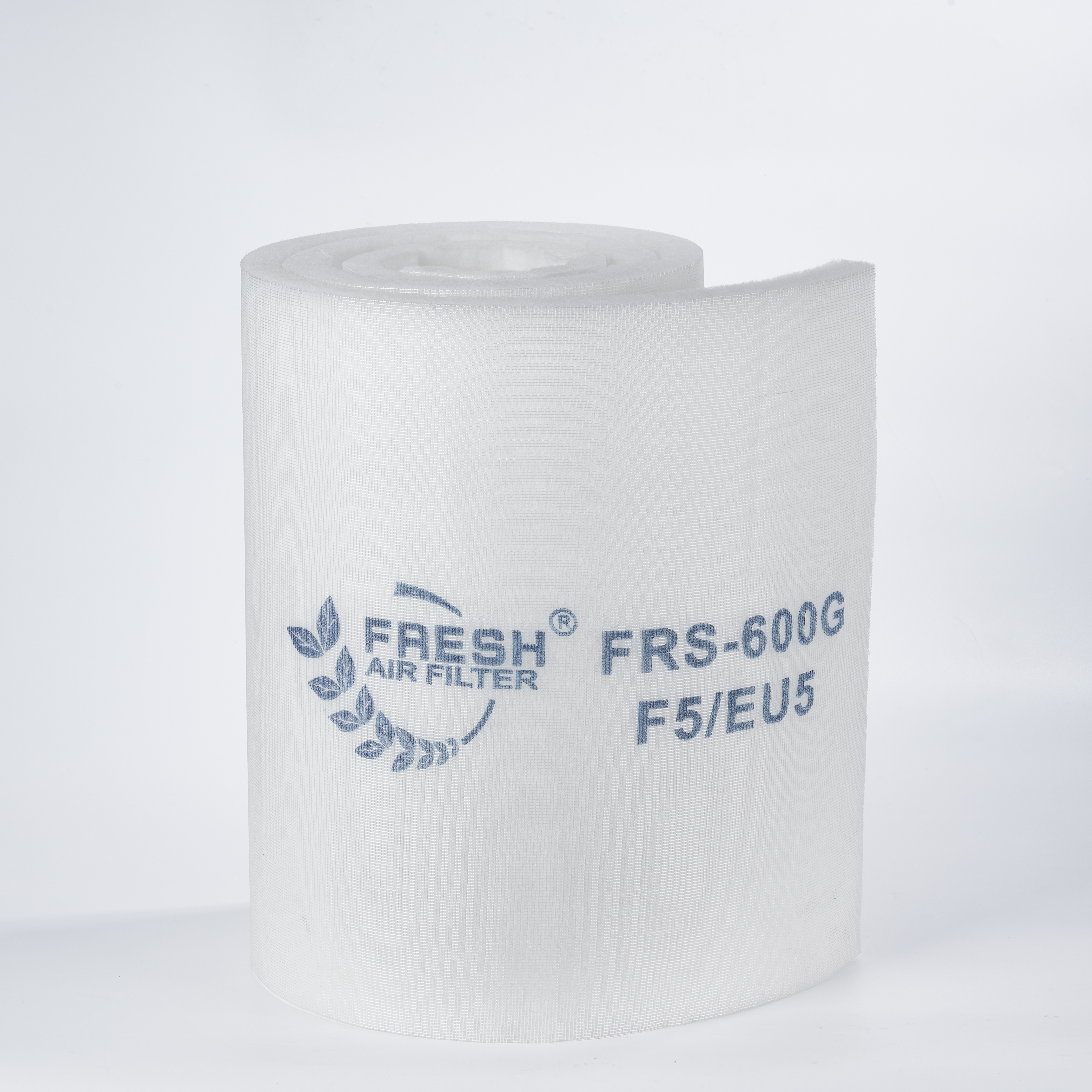
You need to start by understanding the cleanliness standards for your industrial application. Many industries follow guidelines from ISO 16890 or ASHRAE 62.1. These standards help you maintain acceptable indoor air quality. For example, M5 filters work well as pre-filters in shop air filtration systems. They capture medium-sized particles like pollen, mold spores, and large dust. You should use these filters as the first stage to protect downstream equipment and maintain airflow. Regular replacement, usually every three to six months, keeps your system running efficiently.
Tip: Always monitor pressure drop across your filter. This helps you know when to replace it and keeps your air quality high.
Some industrial processes need even stricter control. If your application involves painting, electronics, or pharmaceuticals, you must keep the air extremely clean. Sensitive processes require you to use filters that can trap fine particles and even microorganisms. In these cases, you may need HEPA or ULPA filters as the final stage in your shop air filtration setup. These filters remove sub-micron particles, bacteria, and viruses, protecting both products and workers.
You must identify the types and sizes of contaminants in your workspace before choosing a filter. Common airborne particles in industrial environments include:
Dust, fibers, and microscopic debris
Overspray and paint mist from painting processes
Microorganisms such as bacteria, fungi, and viruses
Larger particles get trapped by pre-filters, while finer particles need secondary or final filters. If your application produces sub-micron particles, select filters with higher efficiency ratings.
Industrial settings often contain hazardous substances. You may encounter chemical vapors, fumes, and odors from equipment or cleaning agents. Volatile organic compounds (VOCs) can harm both workers and products. To address these risks, use gas-phase filters with activated carbon or other specialized media.
To identify all contaminants, follow a step-by-step process:
Pinpoint sensitive areas where contaminant control matters most.
Use industry standards to select filter materials that address health and toxicity concerns.
Develop clear criteria for filter materials and installation.
Review Material Safety Data Sheets (MSDS) and manufacturer certifications to understand chemical emissions.
Require field approval for any product substitutions to maintain your air quality standards.
Understanding your specific application and contaminant types helps you choose the right shop air filtration solution. This approach ensures your filter system meets both safety and performance goals.
Choosing the right ceiling filter media is essential for maintaining air quality and protecting your equipment. You need to focus on durability, performance, and compatibility with your industrial environment. Each filter media type offers unique benefits and limitations. Understanding these differences helps you make the best choice for your facility.
Selecting the correct material type for your ceiling filter media impacts both efficiency and lifespan. The most widely used material in industrial settings is 100% polyester fiber. This material stands out for its high filtration efficiency, durability, and ability to handle demanding conditions.
Material Type | Usage Context | Key Properties and Notes |
|---|---|---|
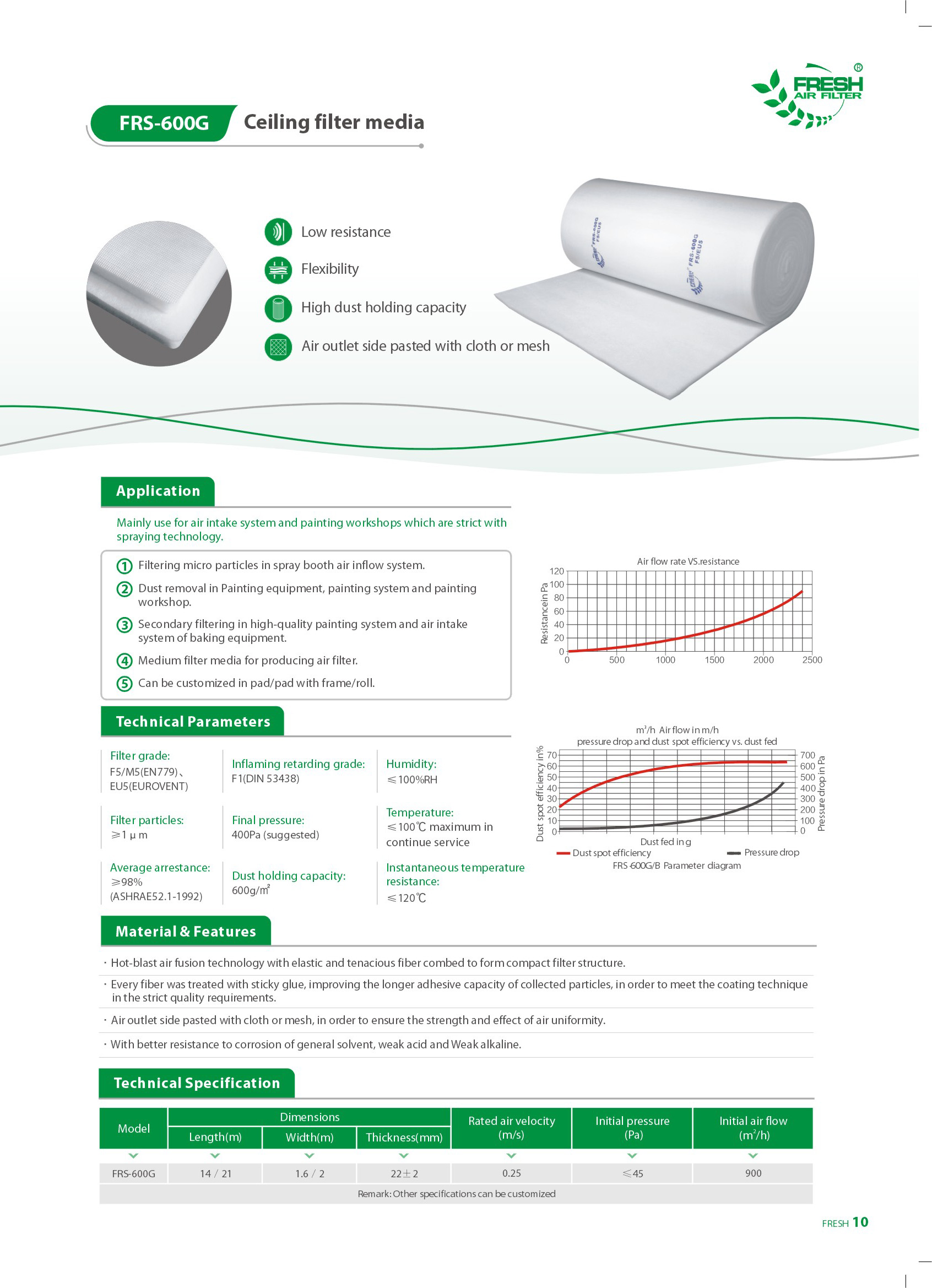
100% Polyester Fibers | Ceiling filter media in industrial paint spray booths | High filtration efficiency (96-98%), weights 500-600 g/m², temperature tolerance up to 120°C, dust holding capacity ~430-480 g/m², filtration class F5 |
You often find polyester in ceiling filter media because it provides excellent filtration and resists breakage. Polyester fibers handle high temperatures and humidity well. They also resist many common industrial chemicals. This makes them ideal for paint spray booths and other demanding environments.
Nanofiber filter media use extremely fine fibers to trap smaller particles. You should consider nanofiber if your process requires high-efficiency filtration. These filters capture fine dust and aerosols, making them suitable for sensitive manufacturing or cleanroom applications.
Spunbond polyester offers extra strength and durability. The manufacturing process creates a tough, non-woven fabric that resists tearing and maintains its shape. You can use spunbond polyester in areas with high airflow or where the filter faces frequent handling.
Paper filter media cost less but offer lower durability. You might use paper filters for temporary setups or less demanding applications. However, paper does not handle moisture or chemicals as well as synthetic materials.
Tip: Always match the media type to your specific application. Using the wrong material can lead to early filter failure and higher maintenance costs.
You must check the chemical resistance of your filter media before installation. Polyester works well for basic filtration and resists many weak acids and bases. Polypropylene and nylon offer even greater chemical resistance and temperature tolerance. Nylon, in particular, stands up to harsh chemicals and extreme conditions. Always consult manufacturer compatibility charts to ensure your filter media will not degrade when exposed to your process chemicals.
Filter media must resist the chemical nature of the liquids or vapors present.
Stainless steel and specialized polymers work best in aggressive chemical environments.
Choosing the right filter media prevents corrosion and maintains performance.
Corrosion can shorten the life of your ceiling filter media. You should select materials that resist both chemical attack and physical wear. Reinforced mesh or cloth backing on the air outlet side strengthens the filter and ensures uniform airflow. Surface treatments, such as sticky glue on the air intake side, improve particle adhesion and help prevent dust from penetrating or shedding.
Chemical compatibility avoids harmful reactions.
Proper filter selection reduces maintenance and replacement costs.
Compliance with cleanroom standards ensures long-term durability.
Industrial environments often expose ceiling filter media to high temperatures. Polyester and other synthetic fibers resist heat up to 120°C. You should choose filter media with high heat resistance for paint booths, baking ovens, or any area with elevated temperatures. High-quality frames and adhesives help the filter maintain its shape and performance under stress.
High humidity can degrade filter media and promote mold growth. Polyester fibers tolerate 100% relative humidity, making them suitable for humid environments. You should ensure the filter media bonds tightly to the frame to prevent bypass and breakdown. Regular inspection and maintenance of HVAC controls, drain pans, and humidifiers help protect your filter from moisture damage.
Environmental Factor | Impact on Ceiling Filter Media Lifespan |
|---|---|
Humidity Levels | High humidity fosters mold growth and degrades filters faster |
Temperature Fluctuations | Can reduce filter performance and longevity |
Contaminant Type & Concentration | Heavy dust, strong odors, and fine particulates accelerate filter wear |
Airflow Settings | Higher airflow increases contaminant volume, shortening filter life |
In industrial settings, exposure to dust, chemicals, and extreme temperatures can shorten the life of HVAC equipment. The same harsh conditions affect ceiling filter media lifespan.
You should always consider the unique environmental factors in your facility. Proper selection and maintenance of ceiling filter media ensure long service life and reliable performance. If you use a cartridge air filter or explore different media types for industrial cartridge air filters, always verify compatibility with your specific conditions.
You need to focus on filtration efficiency when selecting ceiling filter media for industrial use. Filtration efficiency tells you how well a filter removes particles from the air. The right filter keeps your workspace clean and protects sensitive equipment.
Micron ratings show the smallest particle size a filter can capture. A lower micron rating means the filter can trap finer particles. For example, a filter with a 0.3-micron rating can remove very small contaminants, which is important for shop air filtration in cleanrooms or pharmaceutical areas. You should always match the micron rating to the needs of your process.
Here is a table showing typical filtration efficiency ranges for different ceiling filter media:
Filtration Media Type | Filtration Efficiency Range | Standards/Rating | Application Context |
|---|---|---|---|
Glass HVAC Microfiber Media | From coarse filtration up to ePM1 rating | ISO 16890 | General HVAC and industrial ceiling filters |
Glass High Efficiency Air Media | EPA/HEPA/ULPA efficiencies, up to U17 | EN1822 | High efficiency industrial air filtration |
HEPA Filters (Camfil example) | 95% at 0.3μ to 99.9995% at MPPS | IEST Recommended Practice | Terminal filtration in cleanrooms, pharma, semiconductor |
You can see that industrial ceiling filter media cover a wide range of efficiencies. Some filters remove up to 99.9995% of particles at 0.3 microns, which is ideal for critical shop air filtration applications.
MERV ratings help you compare the efficiency of different filters. The Minimum Efficiency Reporting Value (MERV) scale ranges from 1 to 16 for most commercial filters, but some high-efficiency filters go even higher. You should look for MERV ratings of 10 or above for most industrial uses. Higher MERV ratings mean better particle removal, which is essential for protecting workers and equipment.
If you use cartridge filters, pay attention to merv ratings for cartridge filters. These ratings help you choose the right filter for your system and ensure you meet air quality standards.
You must balance airflow and pressure drop to get the best performance from your ceiling filter media. Good airflow keeps your HVAC system running smoothly, while a low pressure drop reduces energy costs and extends filter life.
The flow rate tells you how much air moves through the filter in a given time. If the filter restricts airflow too much, your system works harder and uses more energy. You should select a filter that allows enough air to pass through without sacrificing filtration efficiency. For shop air filtration, maintaining the right flow rate ensures you capture contaminants while keeping your system efficient.
Your filter must fit your HVAC system’s design. Some filters, like V-Bank filters, offer ultra-low pressure drop and a large media area. This design reduces energy use and operating costs, especially in high-airflow industrial systems. Box filters, such as the VariCel and PrecisionCell series, provide low resistance and durability under changing airflow conditions. These features help your filter last longer and keep your system reliable.
Tip: Always check your system’s specifications before choosing a filter. The right match improves performance and saves money over time.
The structure and porosity of your filter media play a big role in how well it traps particles and allows air to pass through.
You want a filter that captures as many particles as possible without clogging quickly. Surface filtration traps particles on the filter’s surface, blocking anything larger than the pore size. Depth filtration uses layers of fibers with increasing density. This design captures particles throughout the filter’s thickness, not just on the surface.
Depth filters have a tortuous flow path, which increases the chance of trapping fine and varied particle sizes.
These filters hold more dirt and last longer, making them a smart choice for demanding industrial settings.
Fiberglass ceiling filters use dense mats of fine fibers to create a maze-like structure. This forces air to change direction many times, increasing particle capture.
Good porosity lets air move through the filter easily while still trapping contaminants. Intake blanket filters, often used in ceiling applications, use multi-layered fibrous media with moisture resistance. The gradient density in these filters traps particles throughout the depth, maximizing holding capacity and efficiency.
High holding capacity means you do not need to replace the filter as often.
Regular maintenance and annual replacement of ceiling intake blankets keep your filtration system working at its best.
Remember: The right combination of porosity and structure ensures your filter captures contaminants while maintaining strong airflow.

You need to consider the complexity of installing ceiling filter media in your facility. A successful installation starts with preparing the ceiling opening. Use the right tools for your ceiling type, such as a drywall saw or tin snips, and smooth the edges to prevent air leaks. Reinforce the opening if needed to ensure a secure fit. When you install a HEPA housing box, lift and position it safely with proper equipment like a scissor lift or a sturdy ladder. Distribute the weight evenly and follow the manufacturer’s instructions for fastening with brackets or bolts. This careful approach helps you avoid mistakes and ensures your filter works as intended.
The time required for installation depends on your ceiling type and the filter system you choose. You should plan for extra time to connect the filter housing to your ductwork. Inspect and clean the ducts before measuring and cutting for a precise fit. Use high-quality sealants and mechanical fasteners to create airtight joints. After installation, seal and insulate all seams to prevent air leakage. Testing and verification are essential. Check airflow, look for leaks with smoke tests, and measure pressure differences to confirm that your filter system performs well. These steps may take several hours, but they help you achieve reliable air quality.
Regular cleaning keeps your filter working efficiently. Inspect the filter for blockages and dust buildup. If you use a reusable filter, remove surface dust with low-pressure compressed air. Cleaning helps maintain airflow and prevents contaminants from spreading. You should also check seals and gaskets every quarter to stop air from bypassing the filter. This routine protects worker health and keeps your equipment running smoothly.
You need to replace your filter when cleaning no longer restores proper airflow or filtration. Most industrial settings follow a preventive maintenance schedule, replacing filters monthly or quarterly. Monitor for mold or moisture around the filter and compartments. Inspect air vents and ducts to ensure they remain free from obstructions. Timely replacement supports high air quality and reduces downtime.
Flexible filter options allow you to adapt to changing air quality needs. Modular and customizable filter designs let you tailor filtration capacity to your HVAC system. You can adjust the filter setup as your facility’s demands evolve. This adaptability improves energy efficiency by balancing filtration effectiveness with low pressure drop, which reduces the workload on your HVAC system.
Changeable filter media offer long-term benefits. Advanced materials increase durability and extend the filter’s lifespan. You can swap out filter media to match new contaminants or process changes. This flexibility lowers operational costs by reducing energy use, minimizing maintenance downtime, and extending service life. When you choose adjustable and changeable filter options, you prepare your facility for future needs and maintain strong air quality.
Tip: Always follow a preventive maintenance schedule and select filter systems that offer easy adjustment and replacement. This approach saves time and money while keeping your air clean.
You must make sure your ceiling filter media meets strict industry standards. Organizations like the Institute of Environmental Sciences and Technology (IEST), International Organization for Standardization (ISO), and Current Good Manufacturing Practices (cGMP) set the guidelines for testing and certification. These standards help you maintain air quality and safety in places like pharmaceutical plants, semiconductor factories, and healthcare facilities. For example, HEPA and ULPA filters must comply with EN 1822 and ISO 29463. These standards define how to test filters in cleanrooms and controlled environments. When you follow these rules, you know your filter will perform as needed.
Certification proves that your filter meets the right requirements. You should look for filters that have passed ISO 14644 cleanroom classifications. This system tells you which filter type to use for each cleanroom class. For instance, ISO class 5 and above require HEPA filters, while the most demanding classes need ULPA filters. You also need to check for UL 900 certification. This test checks if the filter is safe in case of fire. UL 900 makes sure the filter does not add to fire hazards in your HVAC system. When you choose certified filters, you protect your workers and your facility.
Fire resistance is a top priority in industrial settings. You need ceiling filter media that can handle high temperatures and resist flames. Many spray booth ceiling filters meet fire resistance standards like DIN53438-F1 and UL900-Class2. These ratings show that the filter will not spread flames and will keep working during a fire. Some ceiling systems also meet ASTM E1264 Class A and UL fire resistance assembly ratings. These standards check how the filter reacts to fire and smoke. Using fire-rated filters helps you meet building codes and keeps your workplace safe.
Tip: Fire-resistant filters can help activate smoke detectors and sprinklers faster, giving you more time to respond in an emergency.
Chemical safety matters just as much as fire safety. Many industrial processes release harmful gases and vapors. You need filter media that can trap these chemicals and keep the air clean. Molecular air filters use materials like activated carbon or alumina to remove gases that regular filters cannot catch. You should pick filters based on the types and amounts of chemicals in your facility. Gas-phase filters with activated carbon can trap acids, ammonia, and other dangerous fumes. These filters protect your workers from breathing in harmful chemicals and help you follow safety rules.
Choosing the right filter for chemical safety keeps your workplace healthy and reduces long-term risks.
You need to consider the initial investment when selecting ceiling filter media for your facility. The upfront cost includes the price of the filter itself, installation materials, and labor. Premium filters may cost more at first, but they often last longer and reduce the need for frequent replacements. For example, a high-quality cartridge air filter can cost 40-60% more than a standard filter, but it can lower your annual replacement costs by about 11%. You should also factor in the cost of any special frames or housings needed for ceiling installation.
Ongoing expenses play a big role in your total cost of ownership. These costs include filter replacement, installation labor, monitoring, energy use, disposal, and maintenance. Environmental factors like high temperature, humidity, and heavy dust can shorten filter life and increase replacement frequency. Energy consumption is often the largest ongoing expense, making up 60-80% of total system costs. Premium industrial cartridge filters with low pressure drop can save $3,000-$5,000 per year in energy for a typical facility. The table below shows common ongoing expenses:
Expense Category | Description | Impact on Ongoing Costs |
|---|---|---|
Filter Replacement | Influenced by temperature, humidity, chemical exposure, and dust loading. | High contamination increases costs. |
Installation & Labor | Labor hours vary by system complexity and safety protocols. | Can double costs in complex settings. |
Monitoring & Validation | Particle counting, airflow checks, and certifications. | Adds $200-$500 per filter in regulated industries. |
Energy Consumption | Related to filter pressure drop and HVAC system design. | Can be 60-80% of total expenses. |
Disposal Fees | Disposal of used or contaminated filters. | $50-$200+ per filter depending on contamination. |
Preventive Maintenance | Programs to extend filter life and optimize replacement timing. | Can reduce costs by 15-40%. |
Preventive and predictive maintenance programs can extend filter life by 20-30% and improve system uptime to over 95%.
You benefit from working with suppliers who offer strong technical assistance. Leading companies provide access to HVAC filtration experts who help you select the right ceiling filter media for your specific application. These experts can guide you through installation, answer questions, and help you troubleshoot any issues. This support ensures you get the best performance from your industrial cartridge filters and avoid costly mistakes.
Many suppliers offer custom solutions to meet unique industrial needs. You can request custom sizes, materials, and efficiencies for your filters. Some suppliers provide built-to-order electrostatic filters, high-temperature options, and media pads in various thicknesses. You can also find filters with antimicrobial properties or flame-retardant features. Custom rolls and frames are available to fit nearly any ceiling or application. Suppliers often invite you to share your requirements so they can design a solution that matches your facility’s needs.
Custom sizes and materials for unique ceiling layouts.
High-temperature and flame-retardant filters for harsh environments.
Media pads and rolls for critical or regulated spaces.
Built-to-order options for special applications.
Custom solutions help you maintain compliance, improve efficiency, and protect your workers.
When choosing the best industrial cartridge filter, you need to compare efficiency, cost, and fit for your ceiling application. Some cartridge air filter models, like the Camfil Durafil Compac, offer MERV 13 to 15 efficiency, a smaller footprint, and easier installation. These features make them ideal for ceiling mounting and reduce both energy and maintenance costs. Other models, such as the Camfil Riga-Flo, provide high-lofted media for longer life and low airflow resistance, which helps maintain efficiency over time. In mining operations, advanced industrial cartridge filters have shown filter life exceeding three years and annual savings of up to $900,000 due to reduced energy and maintenance.
You should match your dust collector cartridge filter to your specific application. Start by determining the required filtration efficiency using MERV ratings. Make sure the filter matches your system’s airflow and fits the available space. Check the static pressure drop to keep your system efficient. Choose filters with high dust holding capacity and the right media type for your environment. For ceiling-mounted systems, look for compact designs and easy access for maintenance. Some dust collector cartridge filter models use pulse cleaning technology to extend filter life and maintain airflow. Always consider safety features like flame-retardant media and explosion vents for hazardous applications.
The right industrial cartridge filters improve air quality, reduce costs, and ensure your system fits your facility’s needs.
You can achieve optimal industrial air quality by focusing on these key strategies:
Match ceiling filter media to your cleanroom class and air purity needs.
Select materials that resist moisture and microbial growth for sterile environments.
Ensure compatibility with your HVAC system to maintain efficient airflow.
Choose durable, easy-to-maintain filters to support long-term operations.
Invest in robust sealing and proper placement to prevent contamination.
Calculate airflow and air changes per hour to size filtration units correctly.
Use multiple filter stages and monitor performance for reliable results.
Consult with filtration experts or trusted suppliers to design a solution tailored to your facility’s requirements.
You should choose 100% polyester fiber media. This type offers high filtration efficiency, strong durability, and resists chemicals and heat. Polyester works well in demanding environments like paint spray booths.
You need to replace ceiling filter media every three to six months. Heavy dust or chemical exposure may require more frequent changes. Always monitor pressure drop and inspect filters regularly.
You can use gas-phase filters with activated carbon to trap odors and harmful gases. These filters remove volatile organic compounds and improve air quality in industrial spaces.
You should select filters with a MERV rating of 10 or higher. Higher ratings capture smaller particles and provide better protection for workers and equipment.
Check for certifications like UL 900 or DIN53438-F1. These ratings show that your filter resists flames and meets safety standards for industrial environments.
You can request custom sizes, materials, and features from suppliers. Custom solutions help you meet specific air quality needs and fit unusual ceiling layouts.
You should inspect filters monthly, clean reusable media with compressed air, and check for mold or moisture. Replace filters when airflow drops or contamination increases.
Yes, filter media with low pressure drop reduce energy use. You save money by choosing efficient filters and maintaining them regularly.
