


Views: 0 Author: Site Editor Publish Time: 2025-07-15 Origin: Site


Indoor air quality has become a significant concern in recent years, with homeowners increasingly seeking effective solutions to maintain a healthy living environment. One critical component in achieving optimal air quality is the air filter used in HVAC systems. Among the various sizes available, the 20x20x1 Air Filter stands out due to its compatibility and efficiency. This article delves into the specifics of the 20x20x1 air filter, comparing it with other sizes to determine which fits your system best.
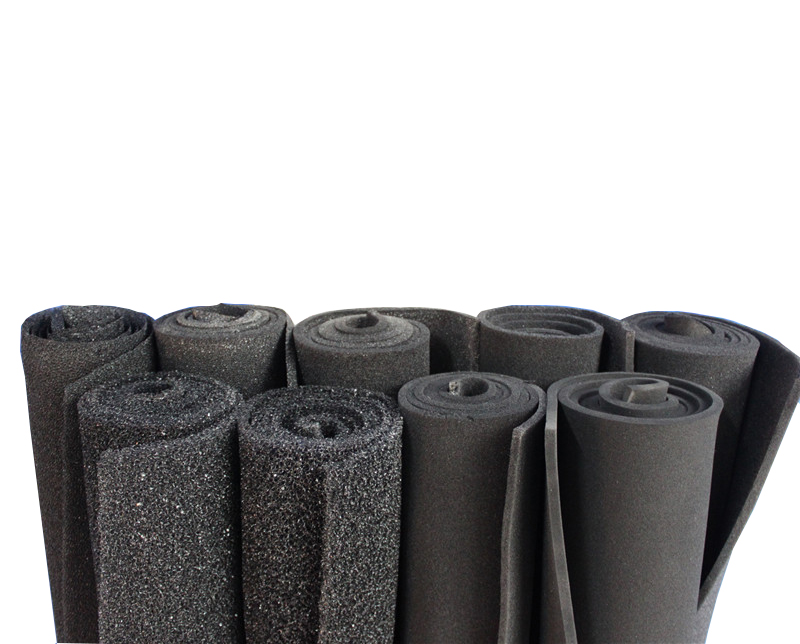
Air filters are essential in trapping contaminants like dust, pollen, and pet dander, ensuring clean air circulates within your home. The dimensions of an air filter are typically represented in length, width, and depth (thickness). For instance, a 20x20x1 air filter measures 20 inches in length, 20 inches in width, and 1 inch in depth. Understanding these measurements is crucial when selecting a filter that fits your HVAC system.
It's important to note that air filters often have nominal and actual sizes. The nominal size is a rounded figure used for labeling, while the actual size represents the precise measurements. For example, a nominal size of 20x20x1 might have an actual size of 19.5x19.5x0.75 inches. Accurate measurements ensure a proper fit, preventing air bypass and maintaining system efficiency.
The 20x20x1 air filter is one of the most commonly used sizes in residential HVAC systems. Its popularity stems from its compatibility with a wide range of units and its ability to balance airflow with filtration efficiency.
Many HVAC manufacturers design their units to accommodate the 20x20x1 filter size due to its widespread use. This compatibility ensures that homeowners can easily find replacement filters without worrying about fit issues. Moreover, using the correct filter size prevents gaps that can lead to unfiltered air circulating in your home.
An essential aspect of air filtration is maintaining proper airflow. The 1-inch thickness of the 20x20x1 filter offers a balance between filtering contaminants and allowing sufficient air to pass through. This balance is crucial because restricted airflow can strain your HVAC system, leading to higher energy consumption and potential system failure.
While the 20x20x1 air filter is popular, other sizes are available, each with its own advantages and considerations. Understanding these differences helps in selecting the most suitable filter for your system.
Filters come in various thicknesses, typically ranging from 1 to 4 inches. A thicker filter, such as a 20x20x2, has more surface area due to the additional depth. This increased surface area allows for better filtration efficiency and a longer lifespan since it can hold more contaminants before needing replacement.
However, not all HVAC systems can accommodate thicker filters. Installing a filter that is too thick for your unit can restrict airflow, causing the system to work harder and potentially leading to increased energy costs and wear on the system components. Therefore, it's essential to consult your HVAC manual or a professional technician before switching to a thicker filter.
Filters with larger surface areas, such as those found in thicker filters or filters with pleated designs, can capture more particles without impeding airflow. For example, a 20x20x4 filter has a significantly larger surface area compared to a 20x20x1 filter, enhancing its ability to trap fine particles like mold spores and smoke.
However, similar to thickness, the increased surface area must be compatible with your HVAC system. Installing a filter that doesn't fit properly can lead to air leaks, reducing the overall effectiveness of the filtration.
Minimum Efficiency Reporting Value (MERV) ratings indicate a filter's ability to capture particles of varying sizes. The ratings range from 1 to 16, with higher numbers indicating a higher filtration efficiency.
Selecting the appropriate MERV rating involves balancing air quality needs with system compatibility. A higher MERV rating means the filter can capture smaller particles, improving air quality. However, higher-rated filters can also restrict airflow if the HVAC system is not designed to handle them.
For most residential systems, a MERV rating between 8 and 13 is recommended. These filters effectively capture common household pollutants like pollen, dust mites, and pet dander without significantly impacting airflow. Always refer to your HVAC manufacturer's recommendations when choosing a filter with a higher MERV rating.
Air filters are constructed from various materials, each affecting performance and cost. Common materials include fiberglass, pleated polyester, and high-efficiency particulate air (HEPA) media.
Fiberglass filters are inexpensive and disposable, providing basic filtration by capturing large particles like dust and lint. However, they are less effective at trapping smaller contaminants, making them less suitable for households with allergy sufferers or those requiring higher air quality standards.
Pleated filters, made from polyester or cotton paper sheets, offer improved filtration over fiberglass by trapping smaller particles. The pleated design increases the surface area, enhancing efficiency without restricting airflow. These filters are a popular choice for residential use due to their balance of cost and performance.
HEPA filters are capable of capturing 99.97% of particles as small as 0.3 microns, including dust, pollen, mold spores, and bacteria. While highly effective, they are not typically used in standard residential HVAC systems because their density can significantly restrict airflow. Specialized systems or modifications are necessary to accommodate HEPA filters in a home setting.
Selecting the right air filter involves several considerations to ensure it meets your air quality needs and is compatible with your HVAC system.
Assess the specific air quality requirements of your household. Homes with pets, smokers, or residents with allergies may require filters with higher MERV ratings to effectively capture smaller particles and allergens. In such cases, a pleated filter with a MERV rating of 11 or 13 may be appropriate.
Consult your HVAC system's manual or a professional technician to determine the maximum filter thickness and MERV rating your system can accommodate. Using a filter that is too restrictive can lead to decreased efficiency, higher energy bills, and potential damage to your system.
Regular maintenance is crucial for optimal filter performance. Disposable filters should be replaced every 30 to 90 days, depending on usage and environmental factors. High-efficiency filters may last longer but still require regular inspection to ensure they are not clogged and restricting airflow.
Cost is always a factor when selecting air filters. While high-efficiency filters may have a higher upfront cost, they can save money in the long run by improving system efficiency and reducing energy bills.
An appropriately selected and maintained air filter can enhance your HVAC system's energy efficiency. Filters that are too restrictive or clogged force the system to work harder, consuming more energy. Conversely, a filter that balances filtration efficiency with proper airflow helps maintain optimal system performance.
Using the correct air filter size and type protects your HVAC system from dust and debris accumulation on internal components. This prevention reduces wear and tear, extending the system's lifespan and minimizing costly repairs or replacements.
Choosing an air filter also has environmental implications. Disposable filters contribute to landfill waste, so selecting filters with longer lifespans or those made from recyclable materials can reduce your environmental footprint.
Some filters are designed to be washable and reusable. While they reduce waste, it's crucial to ensure they are properly maintained and compatible with your HVAC system. Reusable filters may have lower filtration efficiency compared to high-quality disposable filters.
Opting for filters made from environmentally friendly materials can also make a difference. Filters constructed from natural fibers or recyclable components contribute less to environmental degradation.
To illustrate the importance of selecting the right air filter size and type, let's examine a few scenarios.
A family with members suffering from allergies and asthma requires higher indoor air quality. Upgrading to a pleated 20x20x1 air filter with a MERV rating of 13 enhances the filtration of pollen, pet dander, and mold spores. Ensuring the filter is compatible with their HVAC system maintains proper airflow while improving air quality.
Homeowners with multiple pets generate more dander and hair. A thicker filter, such as a 20x20x2, may offer better filtration and a longer lifespan. However, they must verify that their HVAC system can accommodate the increased thickness to prevent airflow restrictions.
An individual aiming to reduce energy consumption opts for a filter that balances efficiency with airflow. A 20x20x1 pleated filter with a MERV rating of 8 provides adequate filtration of large particles while maintaining optimal system efficiency, leading to lower energy bills.
Industry experts emphasize the importance of regular maintenance and proper filter selection. According to the American Society of Heating, Refrigerating, and Air-Conditioning Engineers (ASHRAE), using a filter that meets the minimum requirements for your HVAC system ensures efficient operation and air quality improvement.
Additionally, the Environmental Protection Agency (EPA) recommends considering filters with higher MERV ratings for improved indoor air quality, provided they are compatible with your HVAC system to prevent increased energy use and system strain.
Selecting the appropriate air filter size and type is crucial for maintaining indoor air quality and ensuring the efficient operation of your HVAC system. The 20x20x1 air filter offers a balanced solution for many homeowners, combining compatibility with a wide range of systems and effective filtration of common household pollutants.
When comparing the 20x20x1 filter to other sizes, consider factors such as filter thickness, MERV ratings, material, and system specifications. By understanding these elements and their impact on air quality and system performance, you can make an informed decision that best fits your needs.
1. Can I use a thicker filter than the 20x20x1 in my HVAC system?
It depends on your HVAC system's design. Thicker filters like 20x20x2 or 20x20x4 may not fit all units and could restrict airflow if the system isn't designed for them. Consult your HVAC manual or a professional to determine the maximum filter thickness your system can accommodate.
2. How often should I replace my 20x20x1 air filter?
Typically, it's recommended to replace disposable 20x20x1 air filters every 30 to 90 days. The exact frequency depends on factors like usage, the presence of pets, indoor air quality, and manufacturer guidelines. Regular inspections can help determine the optimal replacement schedule.
3. Does a higher MERV rating always mean a better filter?
A higher MERV rating indicates a filter's ability to capture smaller particles, which can improve indoor air quality. However, higher-rated filters can also restrict airflow if your HVAC system isn't designed to handle them. It's important to choose a filter with a MERV rating that balances air quality needs with system compatibility.
4. Are reusable air filters effective?
Reusable air filters can be effective at trapping larger particles but may not capture smaller contaminants as efficiently as high-quality disposable filters. Proper maintenance is crucial for reusable filters to ensure they continue to perform effectively. Consider your air quality needs and system compatibility before choosing a reusable filter.
5. What is the difference between nominal and actual filter sizes?
Nominal sizes are the rounded dimensions used for labeling filters, while actual sizes are the precise measurements. For example, a nominal 20x20x1 filter might have an actual size of 19.5x19.5x0.75 inches. Knowing the actual size ensures a proper fit in your HVAC system, which is essential for efficient filtration and airflow.
6. Can using the wrong size filter damage my HVAC system?
Yes, using an incorrectly sized filter can lead to air bypassing the filter or restricting airflow. Both scenarios can cause your system to work harder, increasing energy consumption and potentially leading to system damage or failure over time.
7. How do I determine the right air filter for my system?
Start by checking your HVAC system's manual or existing filter for size specifications. Consider your indoor air quality needs, such as allergies or pets, when selecting the MERV rating and filter type. If unsure, consult a professional HVAC technician to ensure you choose a filter that balances filtration efficiency with system compatibility.
